

น้ํามันลดลง ดอลลาร์อ่อนตัว และการทดสอบการจ้างงานข้างหน้า
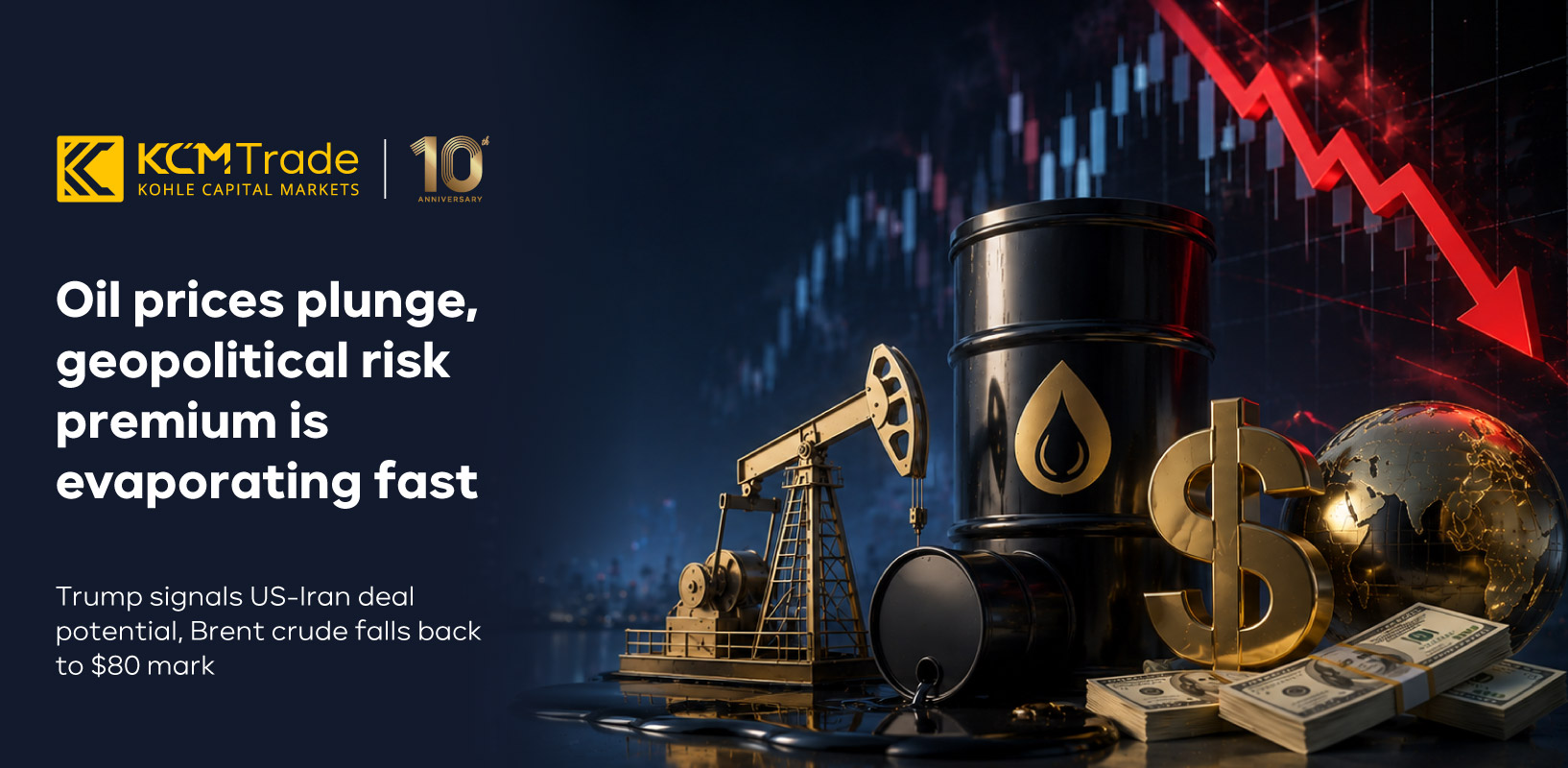
ตลาดเริ่มคุ้นเคยกับความสัมพันธ์ระหว่างสหรัฐฯ กับอิหร่านที่ดําเนินไปในลักษณะที่เป็นความสัมพันธ์ขึ้นลง ๆ หนึ่งเดือน ทั้งสองฝ่ายนั่งโต๊ะร่างกฎพื้นฐานและทดสอบน้ําเพื่อการปรองดอง; ต่อมา การยั่วยุทําให้เกิดการเลิกราอย่างรุนแรง การตําหนิในที่สาธารณะ และกลับไปสู่การเงียบอีกครั้ง ตอนนี้ น้ําค้างแข็งดูเหมือนจะละลาย ประธานาธิบดีทรัมป์ ตามด้วยรัฐมนตรีคลังสหรัฐฯ สก็อตต์ เบสเซนต์ ได้พยายามจับตาดูตลาดด้วยความหวังว่าข้อตกลงเปิดช่องแคบฮอร์มุซอีกครั้งอาจเกิดขึ้นในไม่ช้า โอกาสที่อุปทานจะไหลเวียนอย่างเสรีอีกครั้งได้กระตุ้นสินทรัพย์เสี่ยงและดึงน้ํามันให้ลดลง บรรเทาภัยคุกคามเงินเฟ้อที่สะสมมานาน บทเรียนที่ชัดเจนตั้งแต่ความขัดแย้งนี้เริ่มต้นขึ้นคือ ไม่มีข้อตกลงใดที่ตายตัวและมักจะเกิดการพลิกกลับอย่างฉับพลัน ในตอนนี้ ตลาดยังคงยึดมั่นกับสัญญาณการลดความตึงเครียดใด ๆ ที่จะนําน้ํามันกลับสู่ระดับที่ยอมรับได้มากขึ้น (น้ํามันเบรนท์ลดลงจากแรงผลักดันที่ 100 ดอลลาร์เมื่อสองสัปดาห์ก่อน เหลือประมาณ 80 ดอลลาร์ในปัจจุบัน)
ราคาน้ํามันที่ลดลง รวมกับการแทรกแซงร่วมกันระหว่างสหรัฐฯ-ญี่ปุ่นเมื่อสัปดาห์ที่แล้วเพื่อสนับสนุนเงินเยน ได้ทําให้เงินดอลลาร์สหรัฐอ่อนแรงลงบ้าง ดัชนีดอลลาร์ลดลงต่ํากว่าระดับ 100 ถึงกระนั้น อัตรา USDJPY ก็ยังมีแนวโน้มขาขึ้นอยู่ โดยฟื้นตัวจากจุดต่ําสุดรอบ ๆ 155 มาซื้อขายที่ 157 คําถามสําคัญคือ การคุกคามการแทรกแซงเพิ่มเติมจะเพียงพอที่จะเอาชนะแรงตลาดธรรมชาติที่ยังคงสนับสนุนเยนอ่อนค่า ซึ่งส่วนใหญ่เกิดจากความแตกต่างของอัตราผลตอบแทนระหว่างพันธบัตรสหรัฐฯ และญี่ปุ่นหรือไม่ เวลาจะเป็นเครื่องพิสูจน์ แต่เจ้าหน้าที่สหรัฐฯ และญี่ปุ่นหวังว่ามาตรการที่ทําไปแล้ว พร้อมกับภัยคุกคามที่น่าเชื่อถือว่าจะมีราคาเพิ่มขึ้น จะช่วยให้คู่เงินนี้อยู่ต่ํากว่าระดับ 160 ที่จับตามองอย่างใกล้ชิด
ทอง
คําได้รับประโยชน์โดยอ้อมจากการแทรกแซงสกุลเงิน ดอลลาร์สหรัฐที่อ่อนค่าลงมักจะสนับสนุนโลหะมีค่านี้เนื่องจากความสัมพันธ์ในอดีตที่ผกผัน แม้ว่าจะมีข้อยกเว้นเกิดขึ้นบ้างเป็นครั้งคราว ราคาน้ํามันที่ลดลงยังช่วยให้ทองคําตั้งฐานที่มั่นคงเหนือระดับ 4,000 ดอลลาร์ อย่างไรก็ตาม ความก้าวหน้าของขาขึ้นยังคงค่อนข้างช้า เนื่องจากความไม่แน่นอนที่ยังคงอยู่เกี่ยวกับระยะเวลาที่น้ํามันจะถูกกดทับได้นานแค่ไหน เนื่องจากความสัมพันธ์ระหว่างสหรัฐฯ กับอิหร่านมีความผันผวน และจากความคาดหวังของตลาดที่ว่าธนาคารกลางสหรัฐฯ อาจยังต้องปรับขึ้นอัตราดอกเบี้ยในช่วงเดือนกันยายน ระดับทางเทคนิคที่ควรจับตามองรวมถึงแนวรับที่ $4,015 โดยมีแนวต้านรออยู่ที่ $4,115
ฤดูกาลประกาศผลประกอบการสหรัฐฯ จนถึงขณะนี้ได้ส่งข้อความเชิงบวกโดยรวม ดัชนีดาวโจนส์อุตสาหกรรมเฉลี่ยและดัชนี S&P 500 ปิดที่ระดับสูงสุดเป็นประวัติการณ์ในวันอังคาร ซึ่งเน้นย้ําถึงบรรยากาศโดยรวมที่สดใสในผลประกอบการจนถึงขณะนี้ ในภาคเทคโนโลยีที่ถูกตรวจสอบอย่างเข้มงวด ภาพรวมกลับมีความหลากหลายมากขึ้นเล็กน้อย Meta Platforms และ Alphabet ต่างก็พลาดเป้าหมาย EPS (กําไรต่อหุ้น) แต่ความผิดหวังเหล่านี้กลับถูกกลบด้วยผลประกอบการที่แข็งแกร่งขึ้นและคําแนะนําเชิงสร้างสรรค์จาก Microsoft, Amazon และ Palantir การรวมตัวนี้ช่วยผลักดันให้ Nasdaq ฟื้นตัวขึ้น โดยดัชนีนี้ปรับตัวขึ้นประมาณ 4.5% ในช่วงห้าเซสชันที่ผ่านมา โดยสรุป สิ่งที่เริ่มต้นจากฤดูกาลผลประกอบการที่ตึงเครียด กลับกลายเป็นการฟื้นตัวของ Nasdaq อย่างน่าสังเกตเมื่อผู้นําเทคโนโลยีหลักรายงาน ผลตอบแทนจากบริษัทขนาดใหญ่อย่าง Amazon และ Microsoft รวมถึงผลลัพธ์ที่ประสบความสําเร็จจาก Palantir ได้ยืนยันแนวคิดที่ว่าความต้องการขององค์กรกําลังเร่งตัวอย่างรวดเร็วพอที่จะคุ้มค่ากับการใช้จ่าย AI อย่างหนัก ซึ่งทําให้เทรดเดอร์ได้รับไฟเขียวให้กลับเข้าสู่วงการเทคโนโลยีอย่างกระตือรือร้นในสัปดาห์ที่ผ่านมา

มอง
ไปข้างหน้า จุดสนใจหันไปที่ตลาดแรงงานสหรัฐฯ ตัวเลข ADP ภาคเอกชนจะประกาศในวันพุธ ตามด้วยรายงานการจ้างงานนอกภาคเกษตรที่สําคัญในวันศุกร์ ความคาดหวังจากฉันทามติชี้ให้เห็นว่าการจ้างงานจะดีขึ้นเป็นประมาณ 85,000 ตําแหน่งในเดือนกรกฎาคม เพิ่มขึ้นจากตัวเลขที่อ่อน 57,000 ตําแหน่งในเดือนมิถุนายน นักเทรดจะพิจารณาข้อมูลผ่านมุมมองของผลกระทบต่อนโยบายของธนาคารกลางสหรัฐฯ หากราคาต่ํากว่า 100,000 ดอลลาร์ ตลาดอาจเพิ่มความสนใจของตลาดต่อความเป็นไปได้ของการขึ้นอัตราดอกเบี้ยในเดือนกันยายน ซึ่งอาจนําแรงกดดันกลับมาสู่สินทรัพย์ที่ไวต่ออัตราดอกเบี้ยและโทนความเสี่ยงโดยรวม ดังนั้น ตลอดสัปดาห์ที่เหลือ สินทรัพย์เสี่ยงจะถูกปรับให้เหมาะสมกับวิธีที่ข้อมูลการจ้างงานของสหรัฐฯ ส่งผลต่อความคาดหวังอัตราดอกเบี้ย และว่าความหวังในการประนีประนอมระหว่างสหรัฐฯ-อิหร่านจะเกิดขึ้นจริงหรือไม่

.jpg)

.jpg)
%20(1).jpg)
.jpg)
.jpg)
.jpg)