

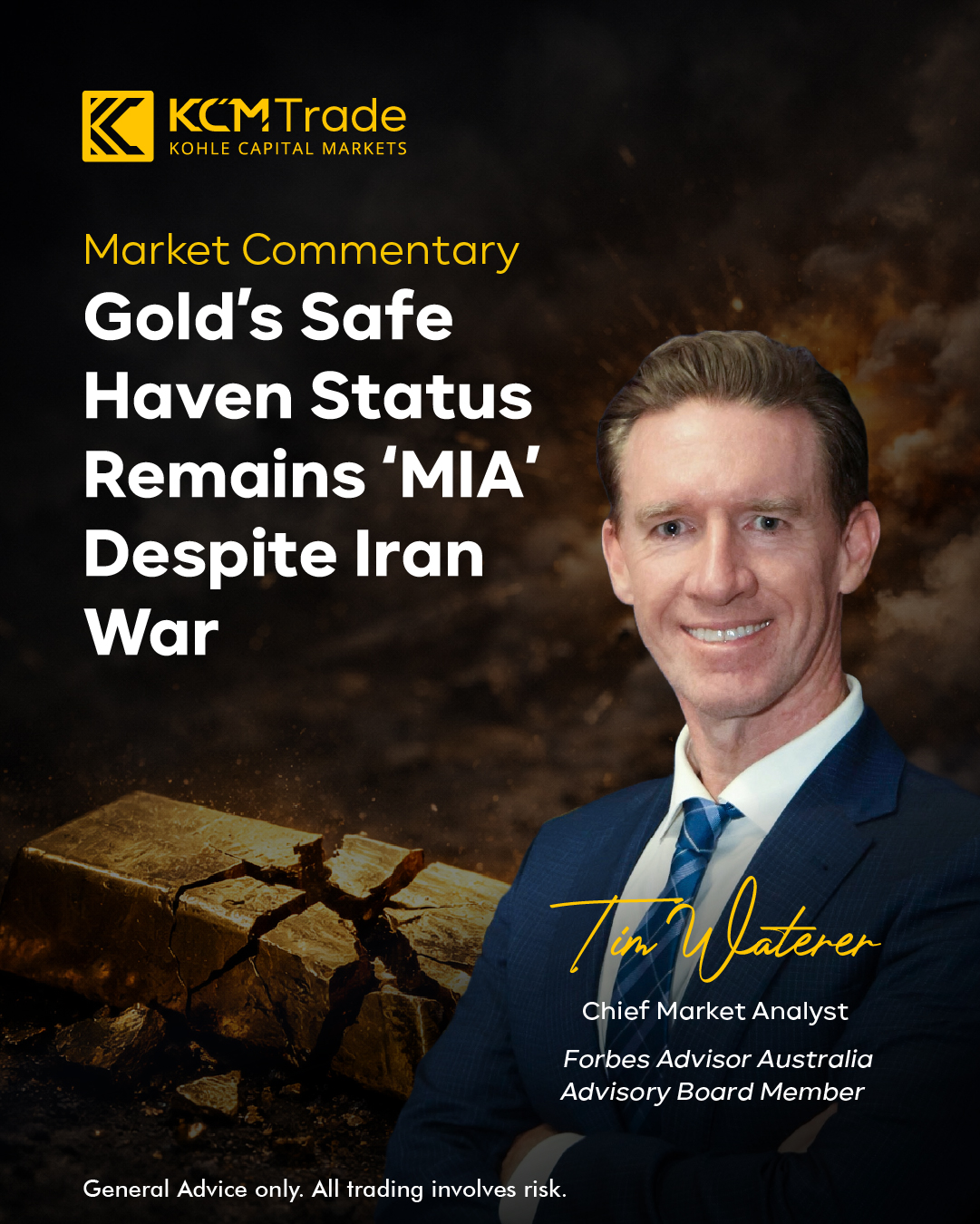
สถานะปลอดภัยของโกลด์ยังคง 'หายไป' แม้จะมีสงครามอิหร่าน
นับตั้งแต่เกิดความขัดแย้งในอิหร่าน ราคาน้ํามันสูงและราคาทองคําต่ํากลายเป็นลักษณะเด่นของปฏิกิริยาตลาดการเงิน ประเด็นแรกสามารถอธิบายได้ชัดเจน โดยราคาน้ํามันดิบพุ่งสูงขึ้นเพื่อตอบสนองต่อการหยุดชะงักของการขนส่งในช่องแคบฮอร์มุซและการโจมตีโครงสร้างพื้นฐานด้านพลังงาน แต่ราคาทองคําเป็นอย่างไรบ้าง?
ใน
อดีต ทองคําให้ผลตอบแทนเชิงบวกในช่วงความขัดแย้งหลักส่วนใหญ่ โดยมีการเพิ่มขึ้นของราคาเริ่มต้นเฉลี่ย 10-20% ในช่วงต้นของสงคราม เช่น สงครามอ่าว (1990-91), การรุกรานอิรักในปี 2003 และการรุกรานยูเครนของรัสเซียในปี 2022 ซึ่งเน้นย้ําบทบาทของทองคําในฐานะสินทรัพย์ปลอดภัยคลาสสิกท่ามกลางความไม่แน่นอนทางภูมิรัฐศาสตร์ แต่ไม่ใช่ครั้งนี้ นับตั้งแต่เกิดความขัดแย้งระหว่างสหรัฐฯ กับอิสราเอลกับอิหร่านเมื่อวันที่ 28 กุมภาพันธ์ ทองคําสปอตได้ร่วงลงอย่างรุนแรงมากกว่า 15% ถอยจากการพุ่งขึ้นเหนือ $5,300 ต่อออนซ์ มาซื้อขายรอบระดับ $4,400 แต่ทําไมล่ะ?
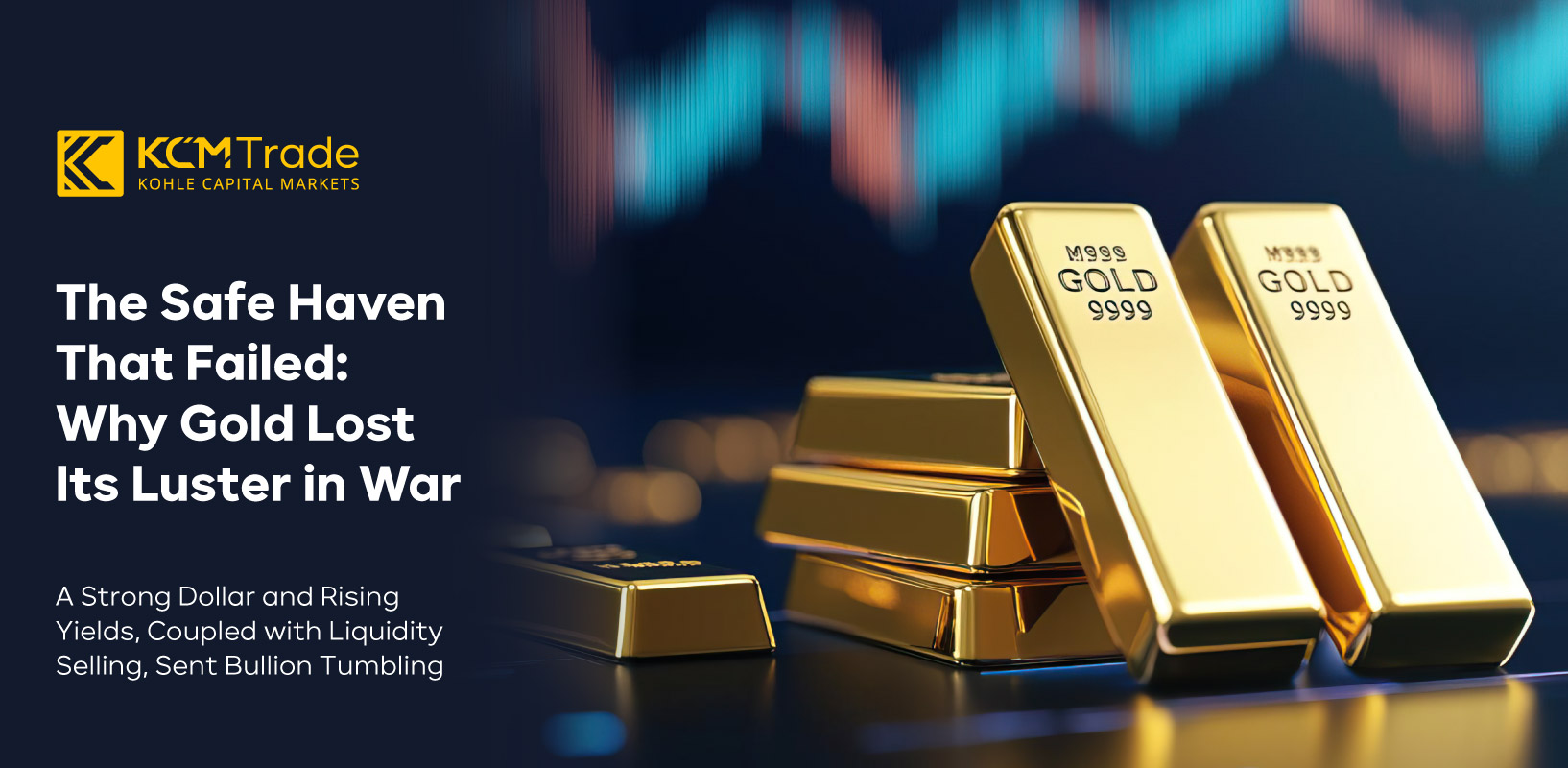
สถานะความปลอดภัยของโกลด์ได้หายไปอย่างมีประสิทธิภาพในช่วงสงครามนี้ด้วยเหตุผลหลักสองประการ ประการแรก การแข็งค่าของดอลลาร์และอัตราผลตอบแทนพันธบัตรรัฐบาลที่เพิ่มขึ้นได้ส่งผลกระทบต่อโลหะมีค่าในแง่ของโอกาสและต้นทุน ประการที่สอง สภาพคล่องที่ปกติเป็นข้อได้เปรียบของทองคํากลับกลายเป็นผลเสีย: สถานะที่มีสภาพคล่องสูงถูกปิดอย่างเข้มงวดเพื่อรองรับความผันผวนและการเรียกมาร์จิ้นในสินทรัพย์ที่มีความเสี่ยงมากขึ้น
นี่คือเหตุผลที่ทองคําทําผลงานได้ต่ํากว่าในช่วงสงครามปัจจุบันเมื่อเทียบกับความขัดแย้งก่อนหน้านี้ ทองคํายังสามารถพลิกฟื้นโชคชะตาได้ การซื้อของธนาคารกลาง ซึ่งเป็นเสาหลักสนับสนุนทองคําในช่วงที่ทองคําพุ่งขึ้นสู่ระดับสูงสุดเป็นประวัติการณ์ ไม่มีเหตุผลชัดเจนที่จะหยุด แต่การปรับตัวของค่าเงินดอลลาร์และราคาน้ํามันจะเป็นพัฒนาการที่น่ายินดีสําหรับทองคําเมื่อพิจารณาถึงพลวัตตลาดล่าสุด
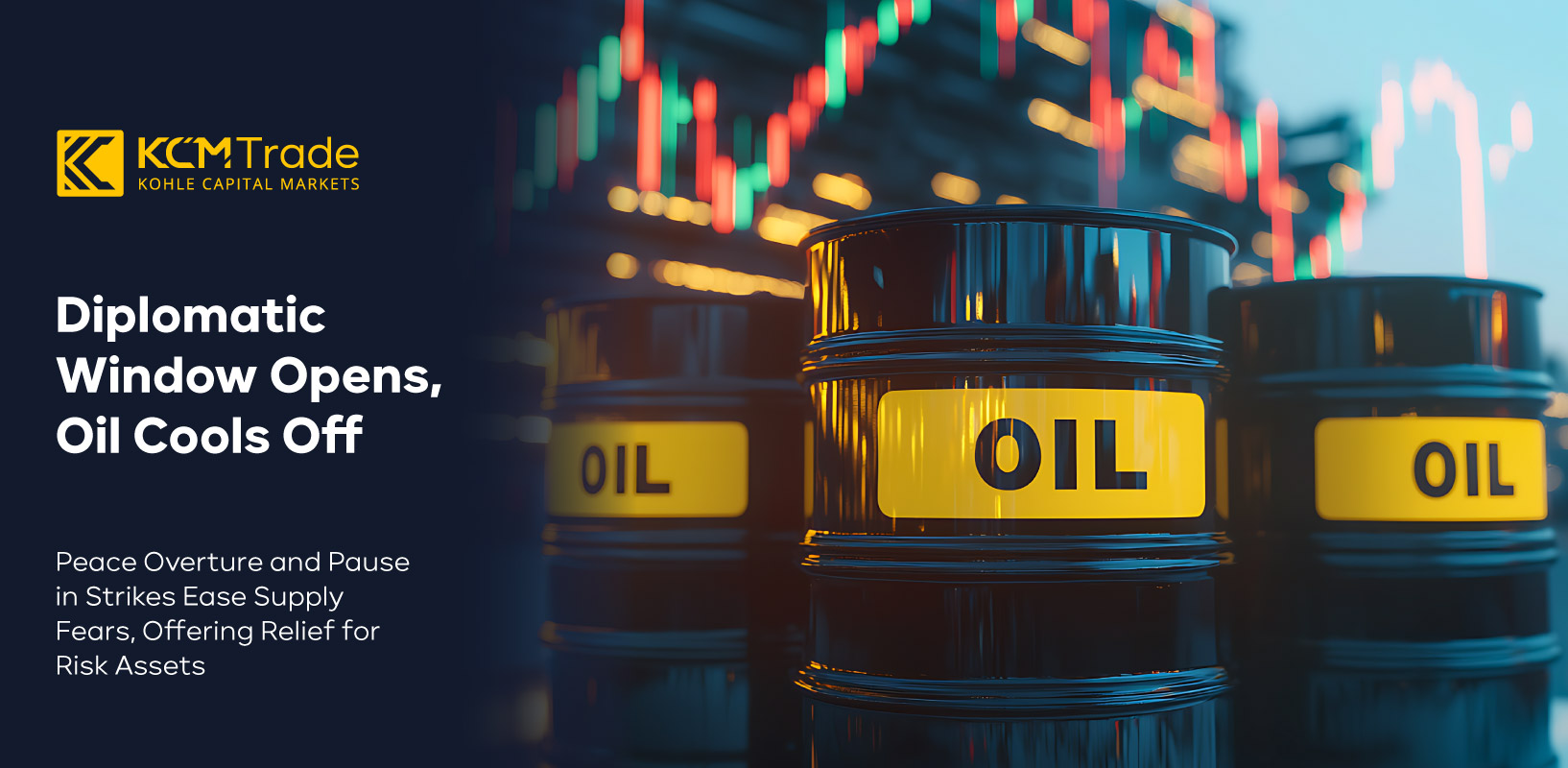
ราคาน้ํามัน แม้จะยังคงสูงอยู่ แต่ก็ปรับตัวลดลงบ้างจากรายงานว่ามีแผนสันติภาพของสหรัฐฯ กับอิหร่าน ซึ่งเมื่อรวมกับการหยุดโจมตีโครงสร้างพื้นฐานทางทหารและพลังงานของอิหร่านเป็นเวลา 5 วันของทรัมป์ ได้ลดความเสี่ยงบางส่วนออกจากราคาน้ํามัน WTI กําลังซื้อขายอยู่ที่ประมาณ $88–$90 หลังจากปรับตัวจากระดับล่าสุดใกล้ $96–$100 คาดว่าน้ํามันดิบจะยังคงตอบสนองต่อพาดหัวข่าวล่าสุดเกี่ยวกับความขัดแย้ง โดยความคืบหน้าใด ๆ ในการหยุดยิงอาจทําให้ราคาลดลงไปที่ 80 ดอลลาร์ ขณะที่ความล้มเหลวของแผนสันติภาพอาจทําให้น้ํามันกลับมามีราคาสามหลัก ตอนนี้ หน้าต่างทางการทูตดูเหมือนจะเปิดกว้างขึ้นอีก ช่วยลดแรงกดดันจากราคาน้ํามัน
ในแง่ของอัตราแลกเปลี่ยน ดอลลาร์สหรัฐยังคงแข็งแกร่งขึ้น แม้จะลดลงจากจุดสูงสุดตั้งแต่สงครามเริ่มต้น ดัชนีดอลลาร์ปัจจุบันซื้อขายอยู่ที่ประมาณ 99.10–99.30 ยูโร ซึ่งต่ํากว่าจุดสูงสุดในเดือนมีนาคมที่เหนือ 100.50 อัตราผลตอบแทนพันธบัตรรัฐบาลสหรัฐที่สูงขึ้นจากความคาดหวังว่าเฟดจะมีท่าทีเข้มงวดมากขึ้นเพื่อตอบสนองต่อราคาน้ํามันที่สูงขึ้น ได้ช่วยพยุงค่าเงินดอลลาร์ แต่ตอนนี้เรากําลังเห็นสกุลเงินอื่น ๆ เช่น ยูโรและปอนด์เริ่มไล่ตาม เนื่องจากความคาดหวังของธนาคารกลางเปลี่ยนจากการผ่อนคลายนโยบายการเงินไปสู่การเข้มงวด พูดได้ว่าดอลลาร์สหรัฐเป็นผู้ชนะหลักในตลาดสกุลเงินจากช่วงเวลาที่ราคาน้ํามันสูงขึ้น โดยความกังวลเรื่องเงินเฟ้อทําให้ความคาดหวังอัตราดอกเบี้ยสูงขึ้น
ตลอดสัปดาห์นี้ ความรู้สึกต่อสงครามอิหร่านน่าจะยังคงเป็นอิทธิพลที่ใหญ่ที่สุดต่อตลาด ราคาน้ํามันและอัตราผลตอบแทนพันธบัตรเป็นผู้ควบคุมความเสี่ยงอย่างไม่มีข้อโต้แย้งในขณะนี้ หากน้ํามันดิบยังคงพุ่งสูงขึ้นอย่างต่อเนื่องและอัตราผลตอบแทนพันธบัตรรัฐบาลสหรัฐฯ อายุ 10 ปียังคงปรับตัวสูงขึ้น หุ้นและสินทรัพย์เสี่ยงจะยังคงถูกกดดันภายใต้ผลกระทบสองเท่าของเงินเฟ้อที่ร้อนแรงและการกู้ยืมที่แพงขึ้น แต่การถอยหลังอย่างมีนัยสําคัญของน้ํามันหรือผลตอบแทนอาจทําให้สถานการณ์พลิกผันอย่างรวดเร็ว เติมชีวิตใหม่ให้กับหุ้น



.jpg)
.jpg)
%20(1).jpg)
.jpg)
.jpg)