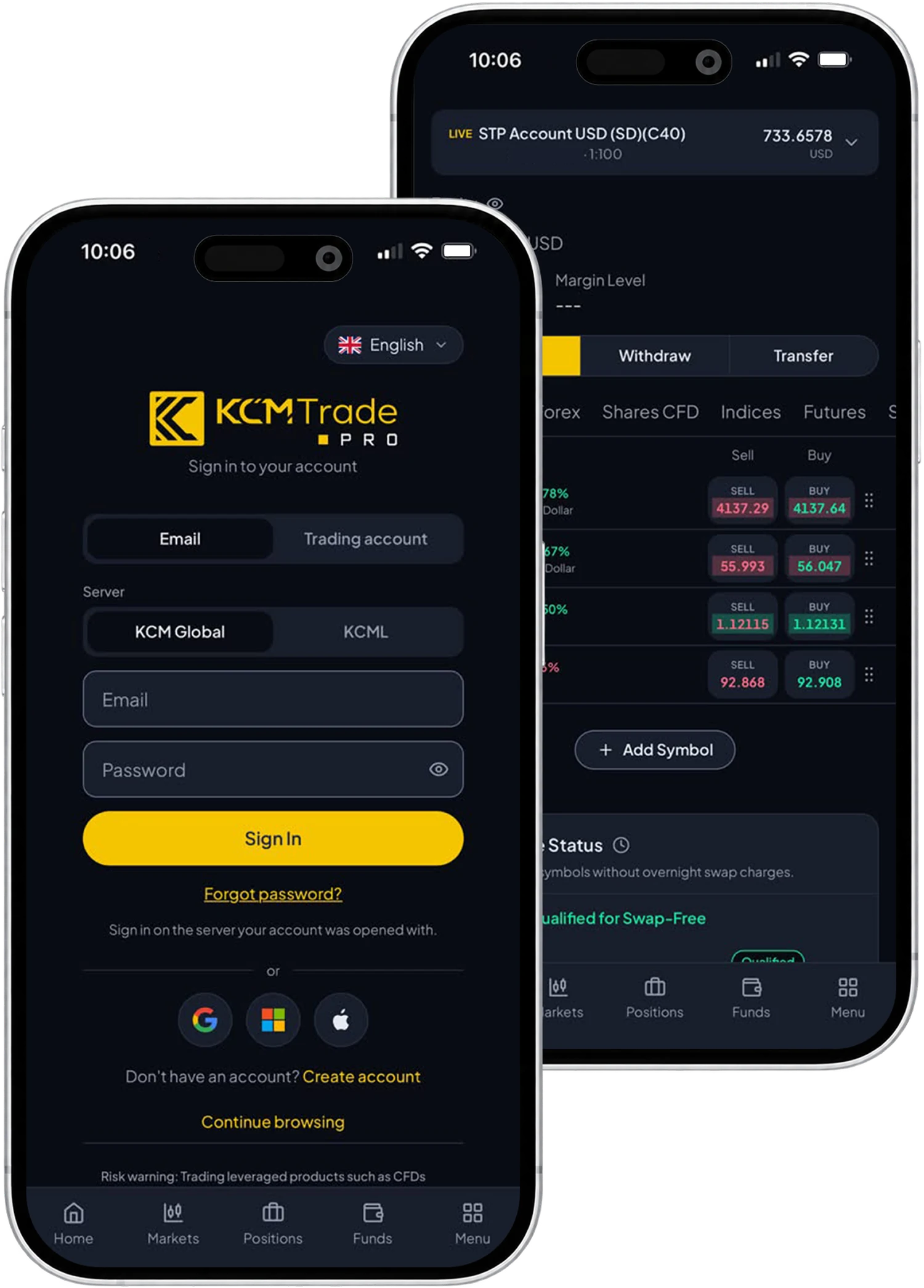




A swap, also called a rollover, is an interest fee a trader pays or receives for holding a forex position overnight. It exists because holding a position overnight effectively means borrowing one currency to buy another, and the swap is the cost or benefit tied to that borrowing. Understanding swaps matters because they directly affect the profitability of any position held past the trading day, whether you're a short-term trader or building a longer-term strategy. This article covers what a forex swap is, how it's calculated and applied, the types of swaps that exist, the factors that influence swap rates, and the benefits and risks traders should weigh when positions cross into overnight territory.
Key Takeaways
- A swap is the interest fee charged or credited for holding a forex position overnight, based on the interest rate difference between the two currencies in the pair.
- Swaps can be positive (you earn) or negative (you pay), depending on which currency in the pair has the higher interest rate.
- The two primary types are Overnight Swaps and Currency Swaps, each serving different purposes.
- Triple swap is applied on Wednesdays for most forex and metal instruments to account for weekend settlement.
- Benefits include potential extra income and a useful hedging or carry-trade tool; risks include costly negative swaps and the complexity of calculating them accurately.
What Is a Swap in Forex?
Definition of a Swap in Forex
A swap in forex trading is the interest fee a trader pays or receives for holding a position overnight. The rate is determined by the difference between the interest rates of the two currencies in the trading pair. Because holding a position overnight means effectively borrowing one currency to buy another, the swap represents the cost or benefit of that borrowing arrangement, and it becomes essential for any trader who holds positions beyond a single trading day.
Key Characteristics of a Swap in Forex
Swaps can be either positive or negative, depending on the interest rate differential between the two currencies involved. If the currency being bought has a higher interest rate than the currency being sold, the trader earns a positive swap. Conversely, if the currency being sold carries the higher interest rate, the trader incurs a negative swap. This dual nature — the same mechanism producing either income or cost depending on trade direction — is central to how swaps function in practice.
How Does a Swap in Forex Work?
How a Swap Works
Swaps are applied to a trading account at the end of the trading day, typically around 5 PM New York time. Any position still open at this cutoff is charged or credited a swap. The rate itself is determined by the interest rate differential between the two currencies, and it also depends on the size of the trade and current market conditions. Swap rates vary by instrument, and for most forex and metal (commodities) instruments, a triple swap is applied on Wednesdays. This happens because most forex instruments take up to two working days to settle, so the triple charge accounts for the three days a position must effectively be maintained overnight across a weekend. Energy instruments under commodities are an exception — they carry a single overnight charge for each day of the week rather than a triple charge on Wednesdays.
Example of a Swap in Practice
Consider a trader who buys a currency with a higher interest rate while selling one with a lower interest rate. In this scenario, the trader earns a positive swap for holding the position overnight. If the situation were reversed — selling the higher-interest-rate currency while buying the lower one — the trader would instead pay a negative swap. This is why the direction of a trade (long or short) plays a direct role in whether a swap works for or against the trader.
Types of Swap in Forex
There are two primary types of forex swaps, each serving a distinct purpose:
- Overnight Swap — the most common type, applied to positions held overnight. It involves effectively using one currency to buy another and is affected directly by the interest rate differential between the two.
- Currency Swap — an exchange of interest and principal in one currency for another. This type is typically used by companies to hedge exchange rate risk and to borrow foreign currencies at more favorable rates.
Key Features of a Swap in Forex
Several factors shape how swap rates are calculated and applied for a given instrument:
- Interest rate differential — the core driver of swap rates, based on the gap between the two currencies' central bank interest rates.
- Currency pair exchange rate — relevant where applicable to the calculation.
- Order type — whether the position is short (sell) or long (buy) affects whether the swap is positive or negative.
- Broker's commission — brokers may apply their own charges on top of the base swap rate.
- Market conditions — the volatility and liquidity of the forex market can influence swap rates.
- Broker policies — different brokers charge different swap rates depending on their policies and their access to interbank rates.
- Position size and duration — larger positions held for longer periods see a greater swap impact.
Swap calculation follows a defined process: first, identify the interest rate differential between the two currencies in the pair. The daily swap rate is then equal to the difference between the base currency rate and the quote currency rate, multiplied by the position size, and divided by 365. Traders should also adjust for any additional broker fees layered on top of the base rate, and finally apply the swap rate across the position size and the number of days the position is held.
How Is a Swap Used in Forex Trading?
Swaps play several practical roles beyond simply being a cost of holding a position overnight:
- Cost of holding — swaps are a direct factor in the cost of maintaining a position overnight, which in turn influences overall profitability.
- Hedging strategies — traders use swaps to hedge interest rate risk while maintaining their broader portfolios.
- Carry trade strategy — one of the more popular forex strategies involves borrowing a low-interest-rate currency to purchase a high-interest-rate currency, with the trader profiting from the resulting interest rate difference.
Because swaps can work for or against a position, traders often manage them deliberately: trading toward pairs where the interest rate differential favors a positive swap, favoring short-term trading to avoid holding positions overnight altogether, or applying hedging strategies specifically to offset swap costs through other trades. Choosing a broker also matters here — traders are generally advised to compare swap rates across brokers, confirm the broker is transparent about how swaps are calculated, verify the broker is regulated by a recognized authority, and assess overall trading conditions such as spreads, leverage, and execution speed.
Benefits of a Swap in Forex
- Revenue generation — positive swaps can create an additional income stream for traders holding favorable positions overnight.
- Hedging instrument — swaps serve as an effective tool for hedging interest rate risk.
- Enhances carry trade — swaps are what make the carry trade strategy possible, allowing traders to earn from interest rate differentials.
Risks and Limitations of a Swap in Forex
- Expensive negative swaps — negative swaps can erode or even eliminate trading profits over time, particularly for positions held for extended periods.
- Intricate computations — accurately calculating swaps requires understanding interest rate differentials, position sizing, and each broker's specific terms and conditions.
- Market risk — changes in interest rates and broader market conditions can shift swap outcomes, adding an element of unpredictability to positions held overnight.
It's also worth noting that swap rates are not standardized — they can differ considerably from one broker to another, so what looks like a manageable cost with one broker may be more significant with another.
Frequently Asked Questions
How do you calculate a swap rate in forex?
Start by identifying the interest rate differential between the two currencies in the pair. The daily swap rate equals the difference between the base currency rate and the quote currency rate, multiplied by the position size, then divided by 365. From there, adjust for any additional broker fees, and multiply the resulting rate by the position size and the number of days the position is held.
What's the difference between a positive and a negative swap?
A positive swap occurs when the currency you're buying has a higher interest rate than the currency you're selling, meaning you earn interest overnight. A negative swap occurs in the reverse situation, where the currency you're selling has the higher interest rate, meaning you pay interest for holding the position.
Why is a triple swap charged on Wednesdays?
Most forex trading instruments take up to two working days to settle. Triple swap is applied on Wednesdays to account for the three days a position must effectively be maintained overnight due to the weekend, when markets are closed. Energy instruments are an exception, carrying a single overnight charge each day instead.
Do all brokers charge the same swap rates?
No. Swap rates vary considerably between brokers, largely due to differences in broker policy and each broker's access to interbank interest rates. Comparing swap rates is one of the factors traders are advised to consider when choosing a broker.
Do only long-term traders need to worry about swaps?
Not necessarily. While swaps have the most impact on positions held for extended periods, even short-term traders can be affected if a position happens to remain open past the daily rollover cutoff, typically around 5 PM New York time.
Conclusion
A swap in forex trading is the interest fee — positive or negative — applied to a position held overnight, driven primarily by the interest rate differential between the two currencies in a pair. Whether that swap works for or against a trader depends on trade direction, position size, and the specific broker's rates and policies, making it a factor that touches cost, hedging, and strategy alike. Balanced against the potential for extra income through positive swaps or carry trades is the real risk that negative swaps and their sometimes intricate calculations can quietly erode profitability, which is why understanding how swaps work is a practical step for any forex trader, regardless of trading horizon.