



Money management (MM) in forex trading is the systematic, principled management of trading funds — a set of guidelines successful traders follow to minimize losses, preserve capital, and grow their trading account. It matters because many traders focus heavily on making profit while overlooking loss prevention, even though effective money management is a cornerstone of successful trading. This article explains what money management means, how it differs from risk management, the core strategies traders use to apply it(including the well-known 2% Rule), and the key takeaways for putting it in to practice.
Key Takeaways
· Money management is the systematic control of trading funds to keeptrading disciplined and principled.
· It is distinct from risk management: risk management focuses on identifying and analyzing trading risks, while money management focuses specifically on protecting capital.
· Core strategies include funds allocation, stop-loss orders, carefulleverage and position sizing, technical indicators, risk-reward ratioassessment, hedging, and money management calculators.
· The 2% Rule is a widely used benchmark: risking no more than 2% of totaltrading capital on any single trade.
· The main benefit is reduced risk and greater trading discipline; themain risk of poor MM is unmanaged leverage and emotional, undisciplined tradingdecisions.
What Is Money Management in Forex Trading?
Definition of Money Management
Money management, or MM, is the management of funds that helps traderskeep their trading systematic and principled. In forex trading specifically, MMis an important factor in making a trading portfolio safer. Across differentfinancial contexts, money management includes different strategies aimed atachieving various financial goals, and a well-planned, efficient approach to MMis essential for financial success and long-term goal achievement. Put simply,money management in forex trading is a set of guidelines that successfultraders follow to effectively manage their capital, with the core purpose ofminimizing losses, maximizing profits, and growing the trading account overtime. By following these self-set rules, traders maintain financial disciplineand work toward long-term success.
Key Characteristics of Money Management
One key characteristic of money management is that it is often confused with risk management, even though the two are distinct. Risk management is the identification and analysis of risks in trading, focused on the trading process itself, while money management is concerned specifically with protecting money.A second characteristic is that MM is built from a combination of concrete strategies and self-imposed rules — such as funds allocation, stop-loss usage,and leverage control — rather than being a single technique.
Key Features of Money Management
Money management in forex trading is built around several coretechniques:
· Funds allocation — trading only what a trader can afford to lose, often by setting anacceptable monthly loss limit and stopping once that limit is reached. Thisapplies to both forex and stock trading.
· Stop-loss orders — a predetermined order to buy or sell an asset once it reaches aspecified level, automatically closing a position to limit losses. Stop-losslevels should be set based on a trader's risk tolerance and the asset'svolatility, and can be adjusted as price moves favorably to help lock in moreprofit.
· Leverage and position sizing — leverage allows traders to open positionslarger than their initial funds, but it can work against traders if notcarefully managed; higher leverage amplifies both potential profits andpotential losses, so planning leverage and position size carefully helpsminimize risk.
· Technical indicators — tools such as moving averages and resistance-level adjustments helpidentify exit points based on market trends. These are valuable in both forexand stock trading, though in forex they are particularly effective forshort-term strategies, while in stock trading they're applied across sectorswith an emphasis on volume analysis.
· Risk-reward ratio assessment — evaluating potential rewards against risksbefore entering a trade, to help ensure potential profits outweigh the risksinvolved.
· Hedging — using gains in one position to offset potential losses in another,which helps protect funds against market volatility and balance overallportfolio risk. Leverage conditions differ between markets: forex generallyoffers higher leverage, while stocks offer lower leverage and more predictabletrading hours, making stocks better suited to more conservative, long-termtraders.
· Money management calculators — tools that help determine appropriateposition size and assess potential risk and reward based on account size, risktolerance, and chosen stop-loss levels, promoting disciplined, well-sizedtrades. These calculators can also be adapted for stock trading, with someadjustments for market differences.
Benefits of Money Management
Traders can benefit from money management in several concrete ways:
· Reduced trading risk.
· A clearer understanding of exactly when to stop trading and when it'sfavorable to resume.
· Reduced emotional and psychological interference in trading decisions.
· A better overall understanding of the market.
Risks and Limitations of Money Management
While the source material emphasizes benefits and technique more than explicit risks, it does highlight one clear caution: leverage is a double-edgedsword. It can amplify profits, but it can just as easily amplify losses if not carefully managed. This underlines why leverage and position sizing required eliberate planning rather than being left unmanaged. More broadly, the material implies that failing to apply money management — trading without a plan, without stop-losses, or without a clear risk limit per trade — under mines the very discipline and capital protection that MM is designed to provide.
The Forex Money Management 2% Rule
One of the most well-known and widely applied money managementstrategies is the "2% Rule." Under this approach, traders limit theamount of capital they risk on any single trade to 2% of their total tradingcapital. This ensures that no single trade can significantly impact the overallaccount balance, helping preserve capital during periods of market volatility.For example, if a trader has $1,000 in their account, the 2% Rule limits thepossible loss on a single trade to $20.
Money Management With KCM Trade
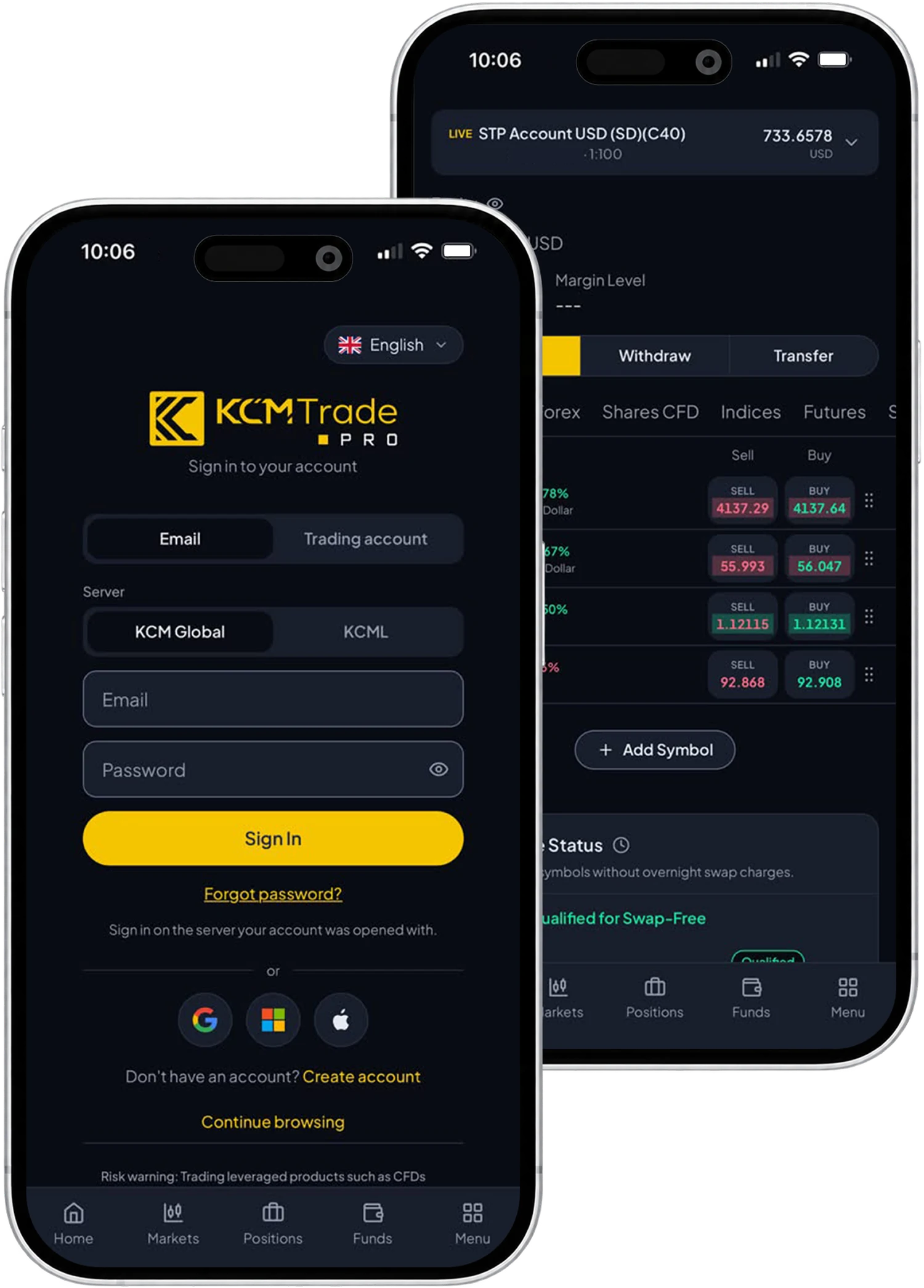
Beyond individual strategies and techniques, choosing a reliable andtrustworthy broker is a crucial part of sound money management. KCM Trade isnoted for offering favorable trading conditions and a secure market environmentintended to support profitable trading opportunities and safe money management,with an emphasis on regulation and comprehensive market tools aimed atprotecting client funds while supporting profit potential.
Frequently Asked Questions
What's the difference between money management and risk management inforex?
Risk management is about identifying and analyzing the risks involved inthe trading process itself, while money management is specifically aboutprotecting a trader's capital through rules and strategies like fundsallocation, stop-losses, and position sizing.
What is the 2% Rule in forex money management?
The 2% Rule is a strategy where traders risk no more than 2% of their total trading capital on any single trade. For example, with a $1,000 account,this limits the maximum loss on one trade to $20, helping protect the overall account from being significantly impacted by any single loss.
How does leverage affect money management in forex trading?
Leverage lets traders open positions larger than their initial funds,which can amplify profits but can just as easily amplify losses if notcarefully managed. That's why careful determination of leverage and positionsize is considered an essential part of money management.
Can forex money management tools be used for stock trading too?
Yes — several of the strategies discussed, including funds allocation,technical indicators, and money management calculators, can be adapted for stock trading, though some adjustments are needed to account for differences between the forex and stock markets, such as leverage levels and trading hours.
Conclusion
Money management in forex trading is the discipline of protecting capital through deliberate rules — from funds allocation and stop-loss orders to careful leverage control and tools like the 2% Rule — rather than focusing solely on chasing profit. Its value lies in reducing risk, removing emotional decision-making, and keeping trading systematic, while its central caution is that tools like leverage can just as easily work against a trader as for them if left unmanaged. Applying these principles consistently, alongside trading with a reliable broker, is what allows traders to pursue long-term success while protecting their capital along the way.