

ทิม วอเตอร์ นักวิเคราะห์ตลาดการค้า KCM ปรากฏตัวในสื่อเดือนเมษายน การปรากฏตัวในสื่อ: ความเสี่ยงเงินเฟ้อ ความผันผวนของน้ํามัน และการเปลี่ยนแปลงความสัมพันธ์ของตลาด

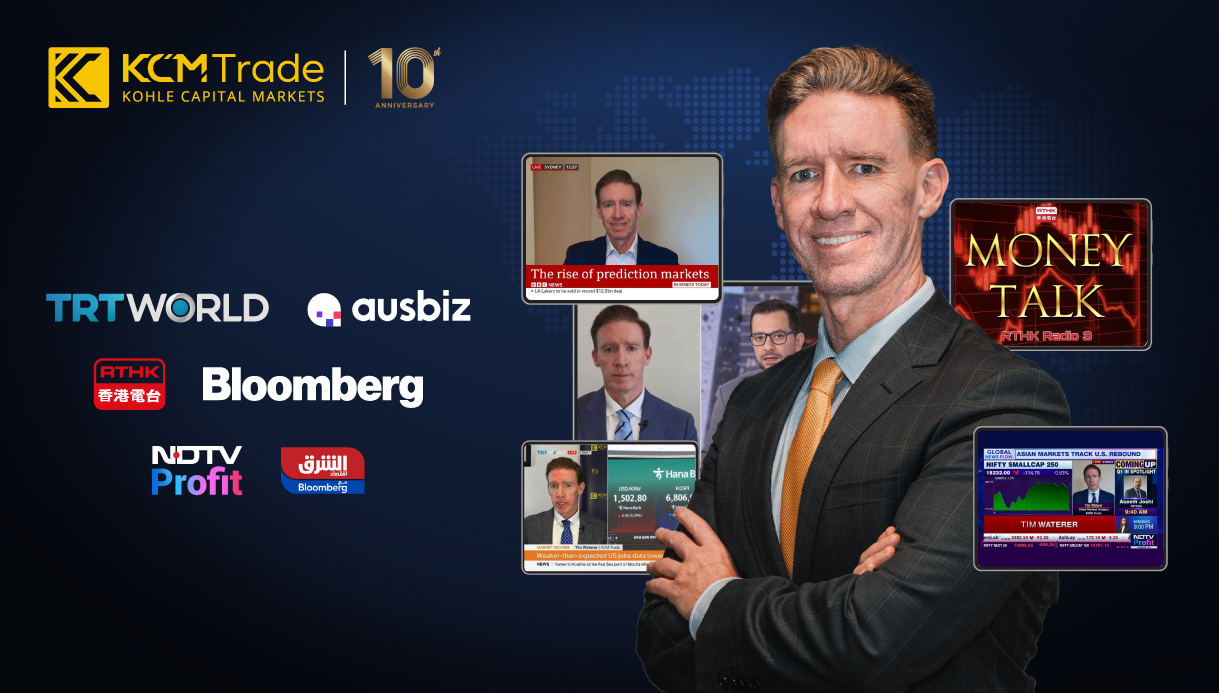
ในเดือนเมษายน หัวหน้านักวิเคราะห์ตลาดที่ KCM Trade และสมาชิกคณะกรรมการที่ปรึกษา Forbes Advisor Australia ทิม วาเทอรี ได้แบ่งปันมุมมองของเขาผ่านสื่อระดับนานาชาติหลัก ๆ รวมถึง BBC News, TRT World, BFM 89.9 และ Ausbiz
ทิมได้วิเคราะห์อย่างเชี่ยวชาญเกี่ยวกับความตึงเครียดทางภูมิรัฐศาสตร์ที่เพิ่มขึ้น ความผันผวนของตลาดน้ํามัน ความเสี่ยงเงินเฟ้อ และความคาดหวังที่เปลี่ยนแปลงของธนาคารกลาง ซึ่งทั้งหมดนี้ยังคงมีอิทธิพลต่อทิศทางของตลาดโลก
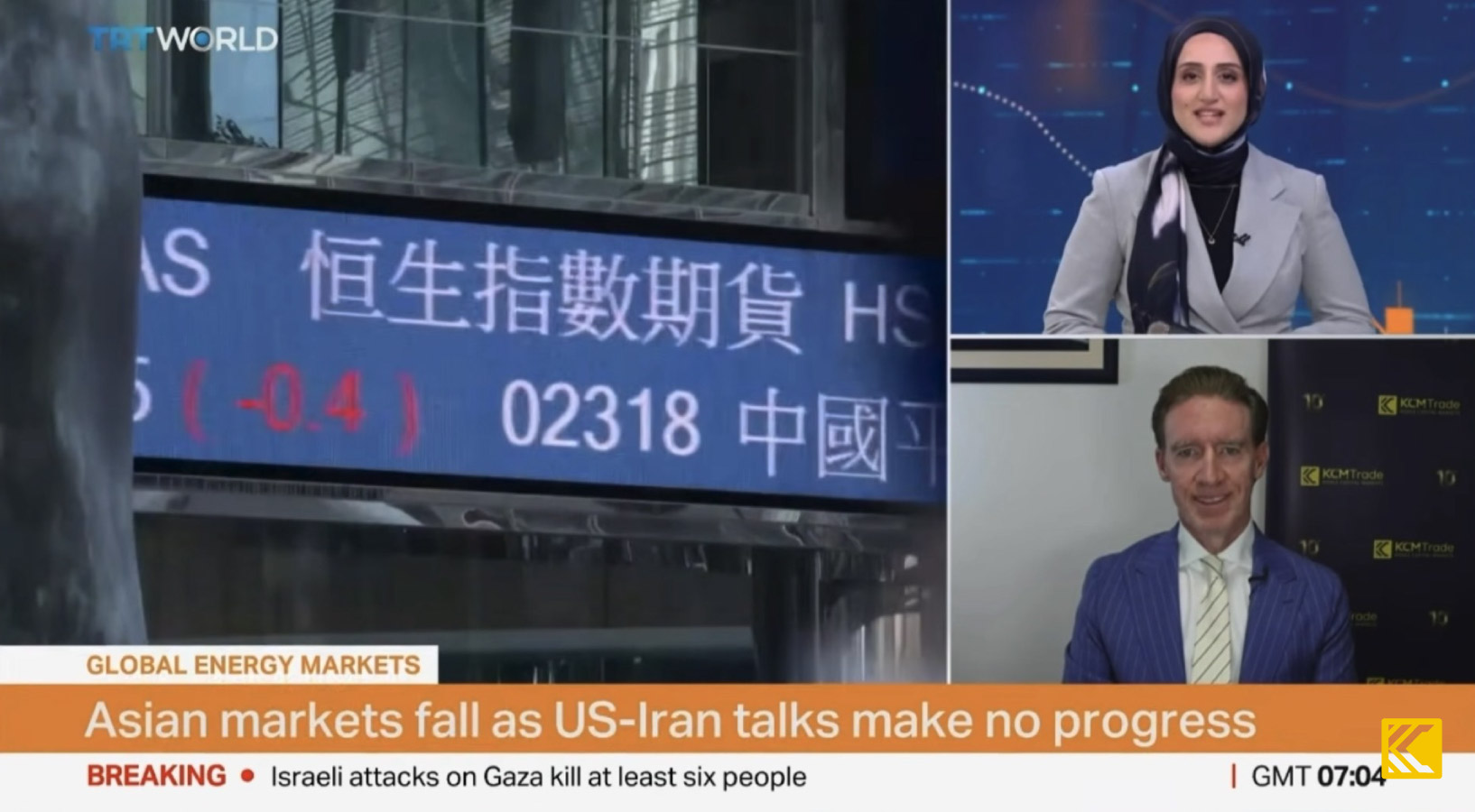
23 เมษายน – TRT World
Tim วิเคราะห์ผลการดําเนินงานของหุ้นทั่วโลก GDP ที่แข็งแกร่งของเกาหลีใต้ และพลวัตของเขตปลอดภัยที่เปลี่ยนแปลงท่ามกลางความเสี่ยงทางภูมิรัฐศาสตร์ที่เพิ่มขึ้น
- หุ้นญี่ปุ่นและเกาหลีใต้ทําสถิติสูงสุดจากแรงขับเคลื่อนของ AI แต่การเพิ่มขึ้นบางส่วนถูกย้อนกลับเมื่อราคาน้ํามันเพิ่มขึ้นและจุดประกายความกังวลเรื่องเงินเฟ้อชะงักงัน การปรับขึ้นราคาของเบรนท์ทําให้ความกังวลเรื่องเงินเฟ้อกลับมาชัดเจนอีกครั้ง
- การเติบโตของ GDP ที่แข็งแกร่ง 1.7% ขับเคลื่อนด้วยการส่งออกเซมิคอนดักเตอร์ โดยเฉพาะความต้องการที่เกี่ยวข้องกับ AI อย่างไรก็ตาม ทิมสังเกตเห็นว่าความต้องการภายในประเทศอ่อนตัวลง แม้ว่าผู้ผลิตชิปอย่าง SK Hynix จะส่งสัญญาณถึงความแข็งแกร่งของความต้องการที่แข็งแกร่งต่อเนื่องหลายปี
- ทองคําและเงินถูกกดดันจากค่าเงินดอลลาร์สหรัฐที่แข็งค่าขึ้นและราคาน้ํามันที่ปรับตัวสูงขึ้น นักลงทุนเริ่มชื่นชอบดอลลาร์สหรัฐเป็นสินทรัพย์ปลอดภัยหลัก ขณะที่หุ้นมีแนวโน้มปรับตัวเข้าสู่ภาคป้องกันเพียงเล็กน้อย
21 เมษายน – Ausbiz TV
Tim ได้พูดคุยเกี่ยวกับความเฉื่อยชาในตลาด ขีดจํากัดราคาน้ํามัน และความอ่อนไหวของค่าเงิน ก่อนเหตุการณ์สําคัญในวงการเศรษฐกิจมหภาค
- ตลาดยังคงมีความยืดหยุ่นเป็นส่วนใหญ่เพราะน้ํามันยังคงต่ํากว่าเกณฑ์วิกฤต 100 ดอลลาร์ต่อบาร์เรล ทิมเน้นย้ําว่าการทะลุระดับนี้อย่างต่อเนื่องอาจกระตุ้นความกังวลเงินเฟ้ออีกครั้ง
- นักลงทุนบางส่วนคาดการณ์การกลับนโยบายแบบ "ทรัมป์" หรือขยายเวลาหยุดยิง ซึ่งช่วยสนับสนุนสินทรัพย์เสี่ยงแม้จะมีความ ไม่แน่นอนทางภูมิรัฐศาสตร์อย่างต่อเนื่อง
- ดอลลาร์ออสเตรเลียยังคงอยู่ใกล้ระดับสูงสุดในรอบหลายปี โดยได้รับการสนับสนุนจากนโยบายเข้มงวดของ RBA และข้อได้เปรียบด้านอัตราผลตอบแทน อย่างไรก็ตาม ทิมเตือนว่าการเพิ่มขึ้นของราคาน้ํามันหรือการหลีกเลี่ยงความเสี่ยงอาจทําให้กําไรพลิกฟื้นได้อย่างรวดเร็ว
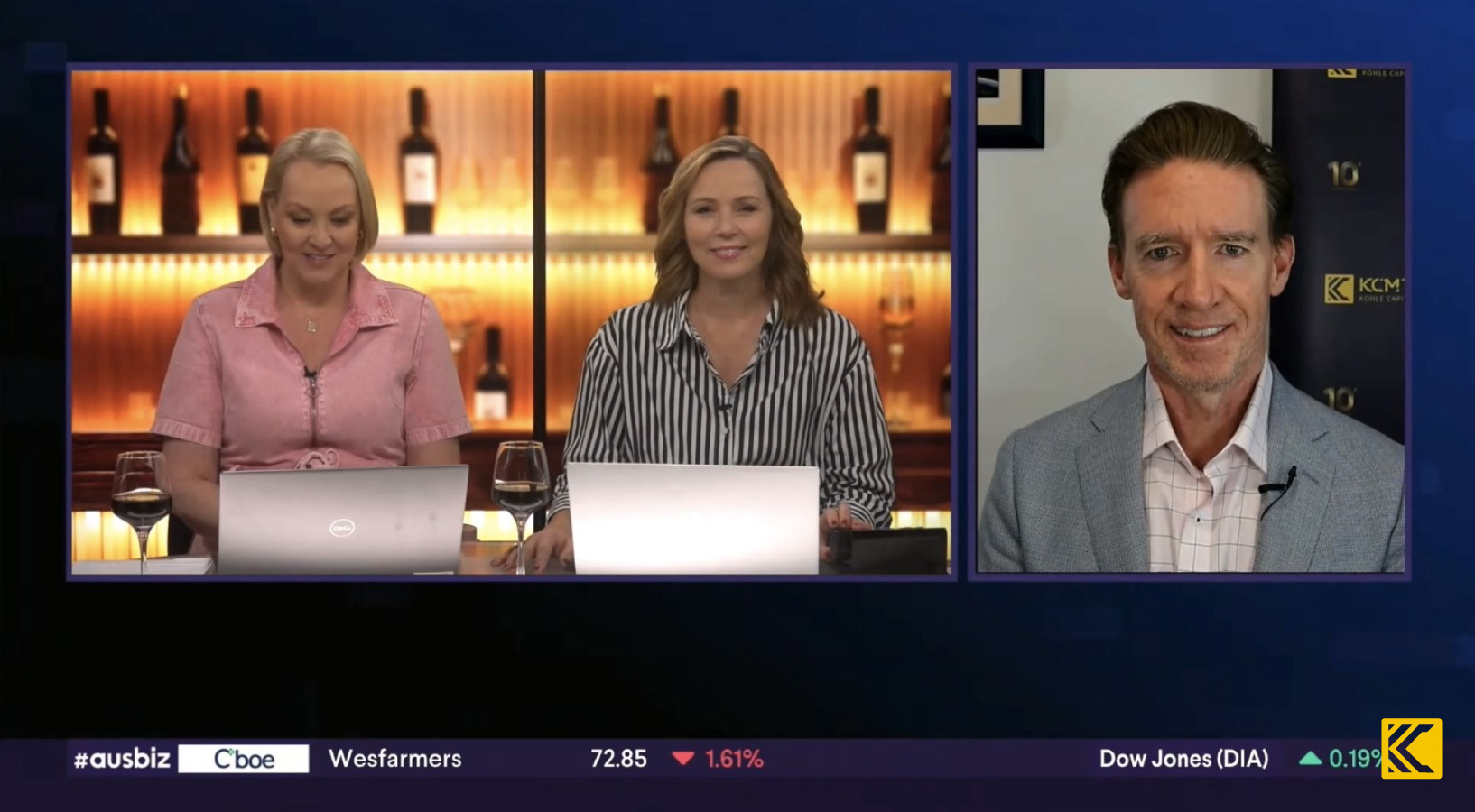
17 เมษายน – Ausbiz TV
Tim ได้นําเสนอภาพรวมรายสัปดาห์ โดยเน้นความผันผวนของน้ํามัน ความคาดหวังเงินเฟ้อ และการหมุนเวียนสินทรัพย์
- ตลาดโดยรวมตั้งราคาในทางภูมิรัฐศาสตร์ สนับสนุนหุ้นแม้จะมีความไม่แน่นอน อย่างไรก็ตาม ตลาดเอเชียแสดงความอ่อนแอเล็กน้อยเนื่องจากปัจจัยภายในประเทศและความเสี่ยงจากข่าวใหญ่ในช่วงสุดสัปดาห์
- ทิมย้ําว่าราคาน้ํามันที่สูงกว่า 100 ดอลลาร์ต่อบาร์เรลเป็นเกณฑ์สําคัญสําหรับความคาดหวังเงินเฟ้อและการเปลี่ยนแปลงนโยบายการเงินในธนาคาร กลางทั่วโลก
- ดอลลาร์ออสเตรเลียยังคงได้รับประโยชน์จากนโยบายเข้มงวดของ RBA และความแตกต่างของอัตราผลตอบแทนที่แข็งแกร่ง แม้ว่าแนวโน้มของมันจะยังคงไวต่อความรู้สึกความเสี่ยงทั่วโลกอย่างมาก
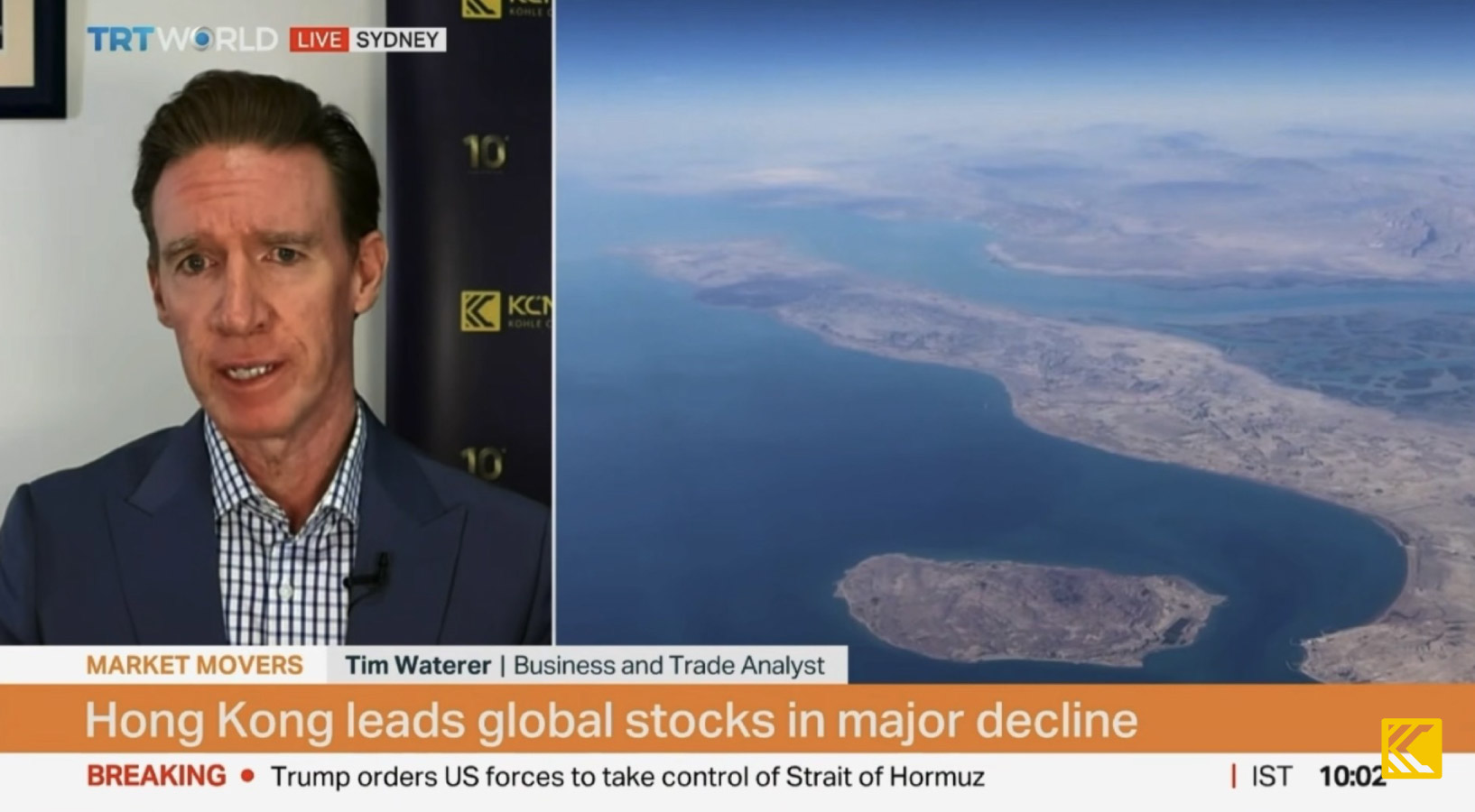
13 เมษายน – TRT World
Tim ได้วิเคราะห์การเจรจาระหว่างสหรัฐฯ-อิหร่านที่ล้มเหลว ความเสี่ยงเงินเฟ้อ และความอ่อนแอที่น่าประหลาดใจของทองคํา
- การล่มสลายของการเจรจาระหว่างสหรัฐฯ กับอิหร่านทําให้ราคาน้ํามันทะลุ 100 ดอลลาร์ ยิ่งตอกย้ําความคาดหวังของเงินเฟ้อที่สูงขึ้นและเพิ่มแรงกดดันต่อธนาคารกลางให้คงหรือปรับขึ้นอัตราดอกเบี้ย
- ทองคําร่วงลงมากกว่า 10% นับตั้งแต่ความขัดแย้งเริ่มต้น เนื่องจากความต้องการสภาพคล่อง ความแข็งแกร่งของดอลลาร์สหรัฐ และอัตราผลตอบแทนที่แท้จริงที่เพิ่มขึ้น ซึ่งตรงข้ามกับพฤติกรรม
- ที่หลบภัยตามปกติต้นทุนพลังงานที่สูงขึ้นทําให้นโยบายการเงินซับซ้อนขึ้น บังคับให้ธนาคารกลางต้องปรับสมดุลระหว่างการควบคุมเงินเฟ้อกับความเสี่ยงจากการเติบโตที่ชะลอตัว
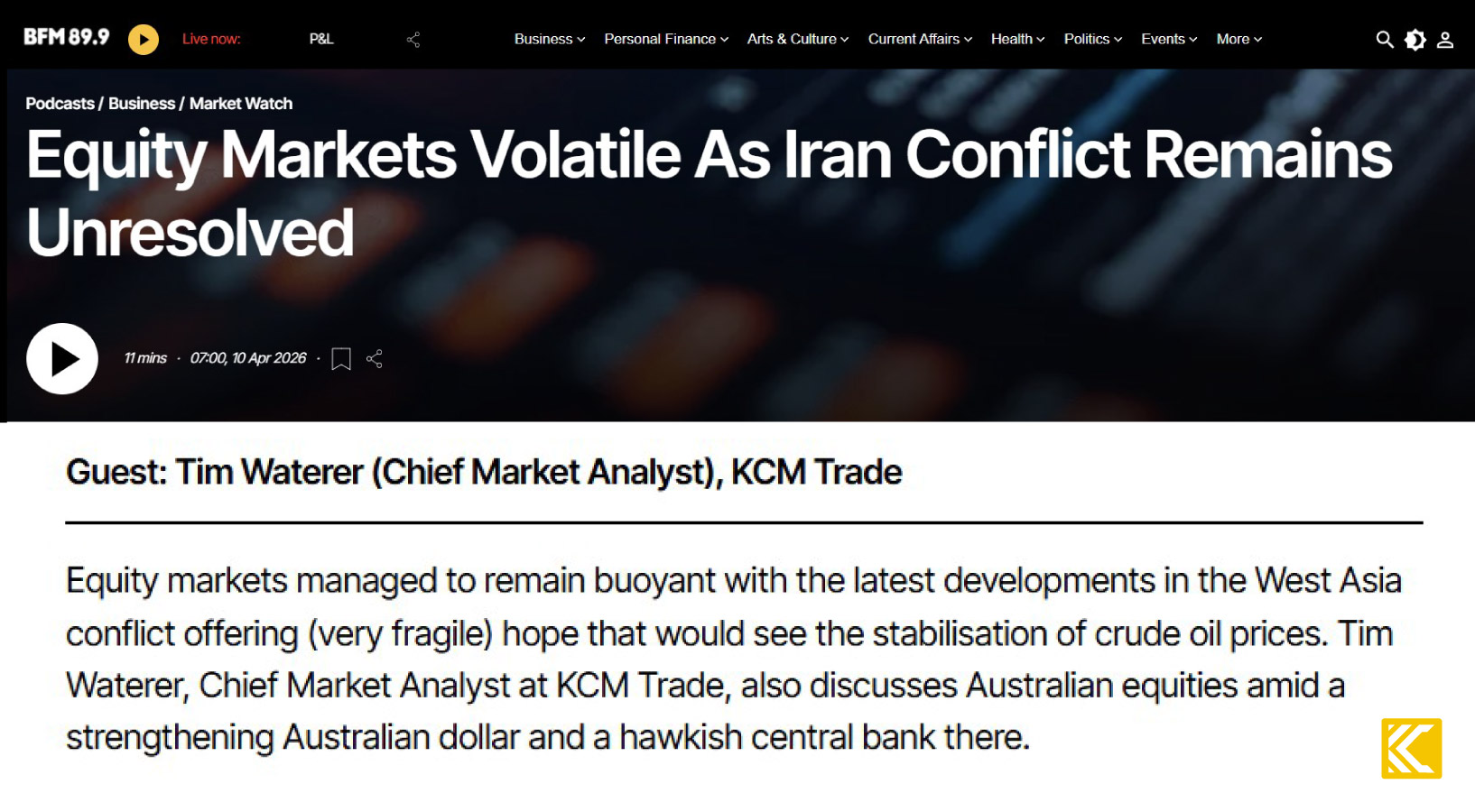
10 เมษายน – BFM 89.9
ทิมประเมินสภาพเศรษฐกิจมหภาคของสหรัฐฯ และเน้นย้ําถึงความแข็งแกร่งของดอลลาร์ออสเตรเลียที่ได้รับแรงหนุนจากความคาดหวังอัตราดอกเบี้ย
- ข้อมูลการจ้างงานที่ผันผวนและความเชื่อมั่นของผู้บริโภคที่อ่อนแอสร้างความไม่แน่นอนเกี่ยวกับการเติบโตของสหรัฐฯ ทําให้มีความไวต่อราคาน้ํามันและทิศทาง นโยบายของธนาคารกลาง
เพิ่มขึ้น
- ราคาน้ํามันดิบที่เพิ่มขึ้นยังคงส่งผลต่อความคาดหวังเงินเฟ้อและแรงกดดันของผู้บริโภคทั่วโลก
- ดอลลาร์ออสเตรเลียแข็งตัวขึ้นมากกว่า 5% เมื่อเทียบกับดอลลาร์สหรัฐ โดยได้รับการสนับสนุนจากความเข้มงวดของ RBA, ความแข็งแกร่งของสินค้าโภคภัณฑ์ และความแตกต่างของอัตราผลตอบแทน แม้ว่ายังคงเปราะบางต่อแรงกระแทก จากความเสี่ยงระดับโลก
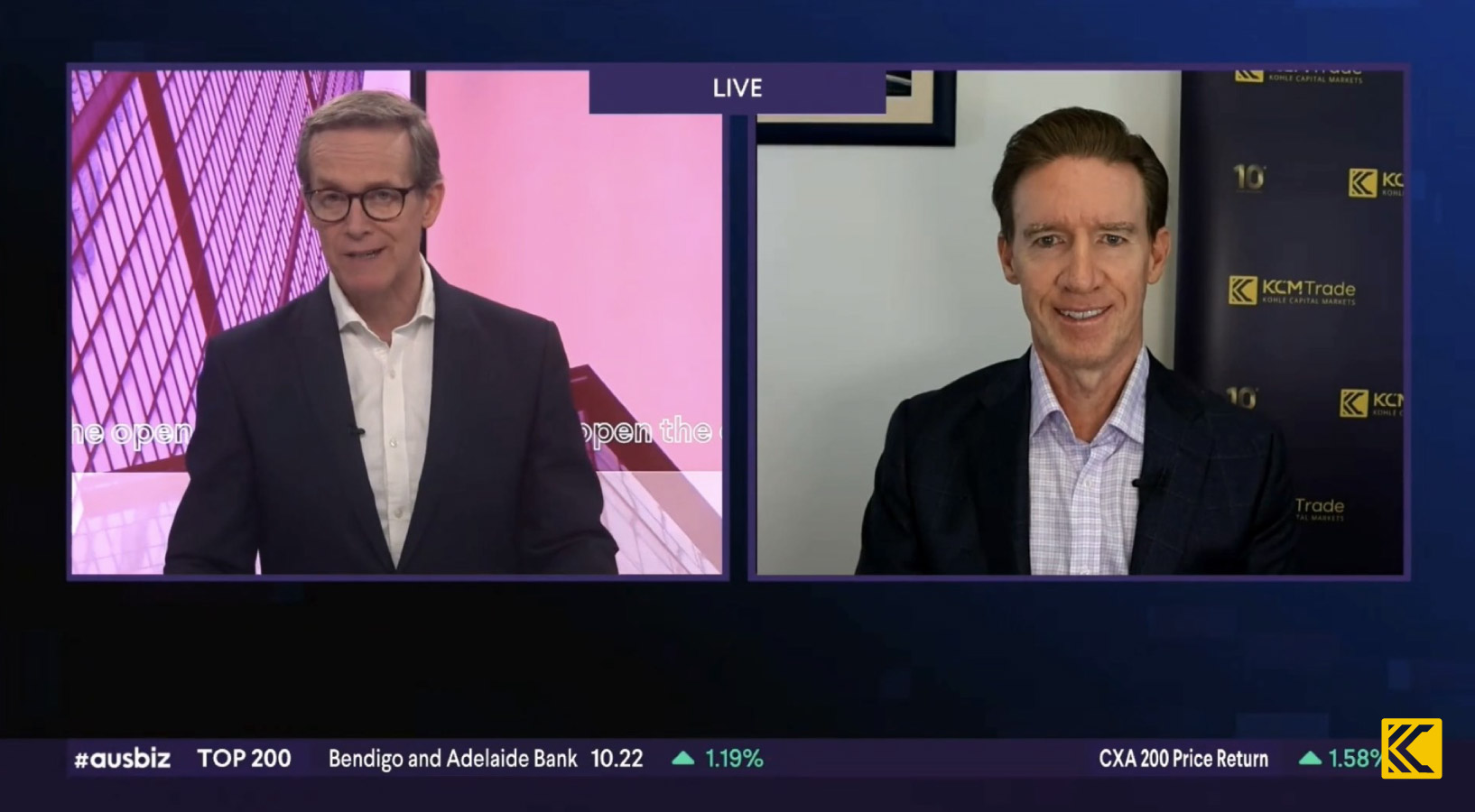
7 เมษายน – Ausbiz TV
Tim วิเคราะห์พฤติกรรมตลาดในช่วงต้นของความขัดแย้งและความสัมพันธ์ที่เปลี่ยนแปลง
- ต่างจากรูปแบบทั่วไป ทั้งราคาน้ํามันและหุ้นปรับตัวขึ้นพร้อมกัน สะท้อนถึงความคาดหวังที่แตกต่างกันระหว่างนักลงทุนหุ้นและนักลงทุนพลังงานเกี่ยวกับผลลัพธ์ ทางภูมิรัฐศาสตร์
- นักลงทุนหุ้นคาดการณ์ถึงความเป็นไปได้ของการหยุดยิงหรือความก้าวหน้าทางการทูต ขณะที่ตลาดน้ํามันยังคงระมัดระวังเรื่องการหยุดชะงักของ อุปทาน
- ตลาดได้รับอิทธิพลอย่างมากจากความคาดหวังเกี่ยวกับเส้นตายทางภูมิรัฐศาสตร์ที่ใกล้เข้ามา โดยผลลัพธ์ยังคงไม่แน่นอน อย่างมาก
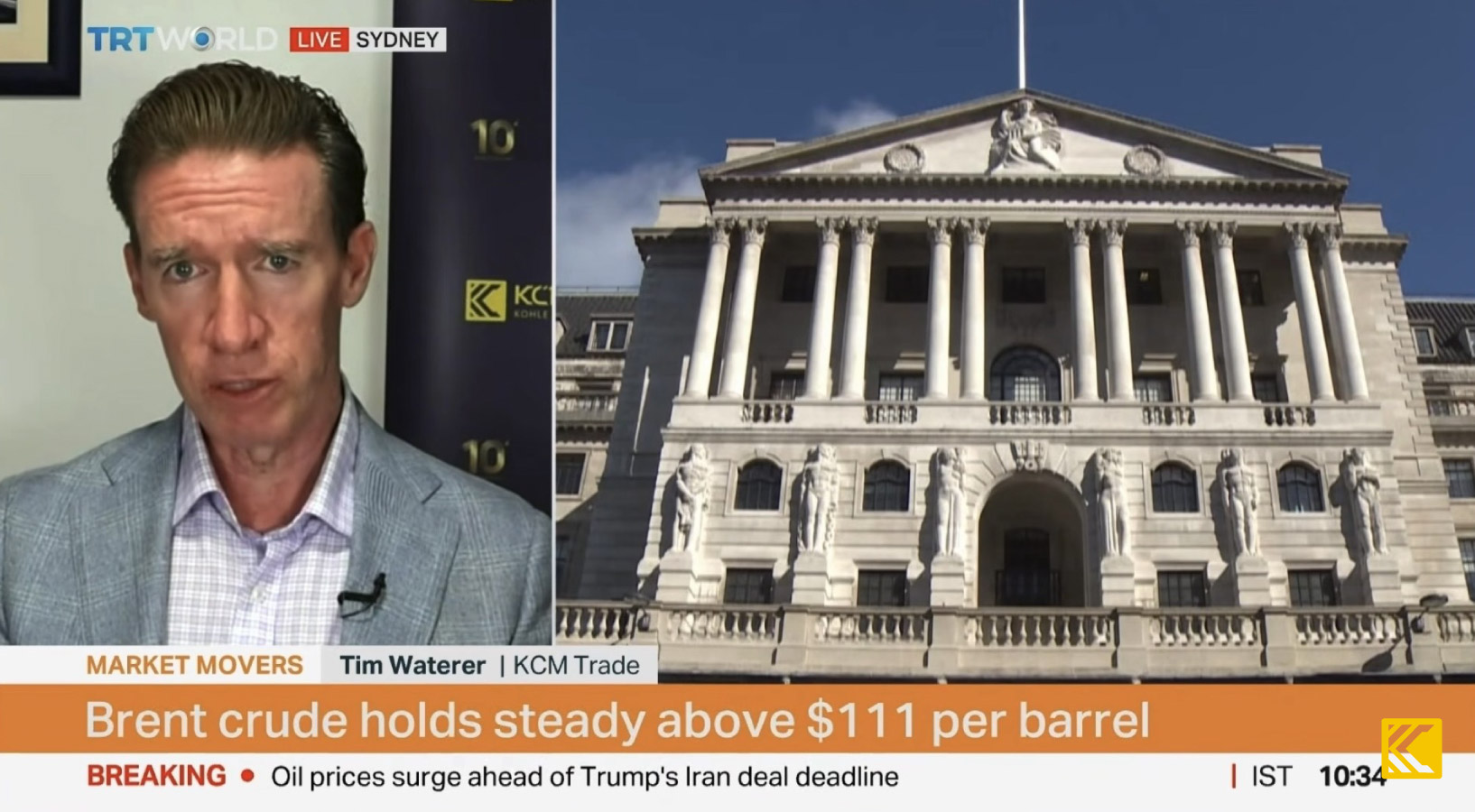
7 เมษายน – TRT World
ในการปรากฏตัวก่อนหน้านี้ในวันเดียวกัน ทิมเน้นเรื่องความเสี่ยงเงินเฟ้อ การหยุดชะงักของอุปทาน และสถานการณ์น้ํามันที่เลวร้ายที่สุด
- ราคาน้ํามันดิบที่สูงขึ้นยิ่งตอกย้ําความกังวลเกี่ยวกับเงินเฟ้อทั่วโลกและความเป็นไปได้ของนโยบายการเงินที่เข้มงวดขึ้นในเศรษฐกิจ หลัก
- การโจมตีที่อาจเกิดขึ้นต่อโครงสร้างพื้นฐานด้านพลังงานและความวุ่นวายในช่องแคบฮอร์มุซสร้างความกังวลเกี่ยวกับเสถียรภาพ ของอุปทานพลังงานโลก
สถานการณ์มีตั้งแต่
- การแก้ไขปัญหาทางการทูตที่ผลักดันน้ํามันกลับไปที่ $80–90 ไปจนถึงการเพิ่มขึ้นของราคาที่ทําให้ราคาลดลงถึง $140–150 ต่อบาร์เรล
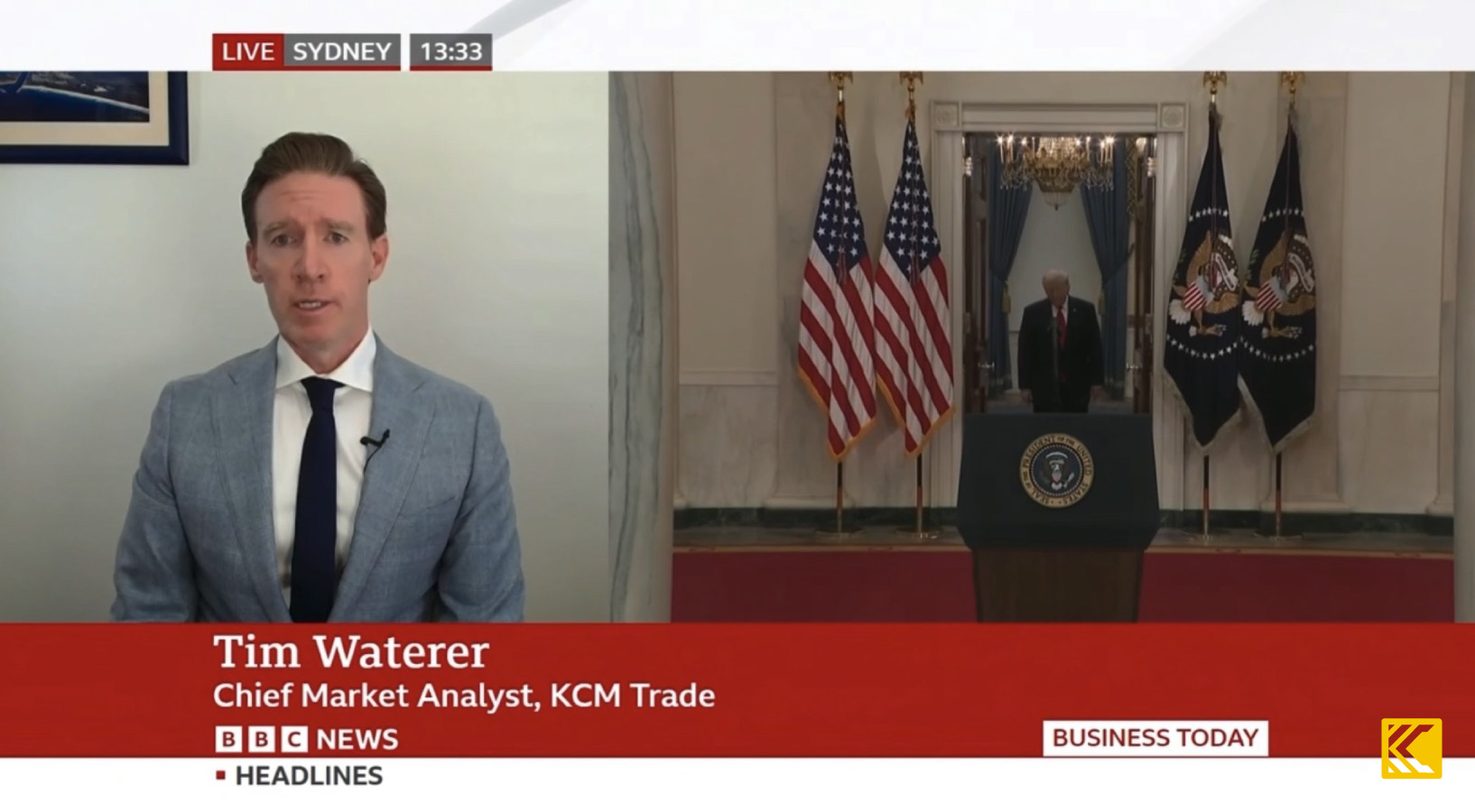
2 เมษายน — ข่าวบีบีซี
ทิม ตอบสนองต่อคําปราศรัยของทรัมป์และการตอบสนองของตลาดในช่วงแรกต่อความตึงเครียดทางภูมิรัฐศาสตร์ที่เพิ่มขึ้น
- น้ํามันดิบเบรนต์ขยับขึ้นเหนือ 100 ดอลลาร์ ขณะที่นักลงทุนคาดการณ์ถึงความวุ่นวายที่อาจเกิดขึ้นกับโครงสร้างพื้นฐาน พลังงานในอ่าว
- หุ้นลดลงขณะที่น้ํามันปรับตัวขึ้น สะท้อนถึงความคาดหวังที่เปลี่ยนแปลงเกี่ยวกับความรุนแรงและระยะเวลา ของความขัดแย้ง
- ราคาพลังงานที่สูงขึ้นทําให้เกิดความกังวลเรื่องเงินเฟ้ออีกครั้งและเสริมความคาดหวังต่อการเข้มงวดนโยบายการเงินในอนาคต