
掃描安卓應用程式

掃描 iOS 應用程式

公司新聞

Tim Waterer’s March Media Appearances: Markets Navigate Geopolitical Risks and Inflation Pressures

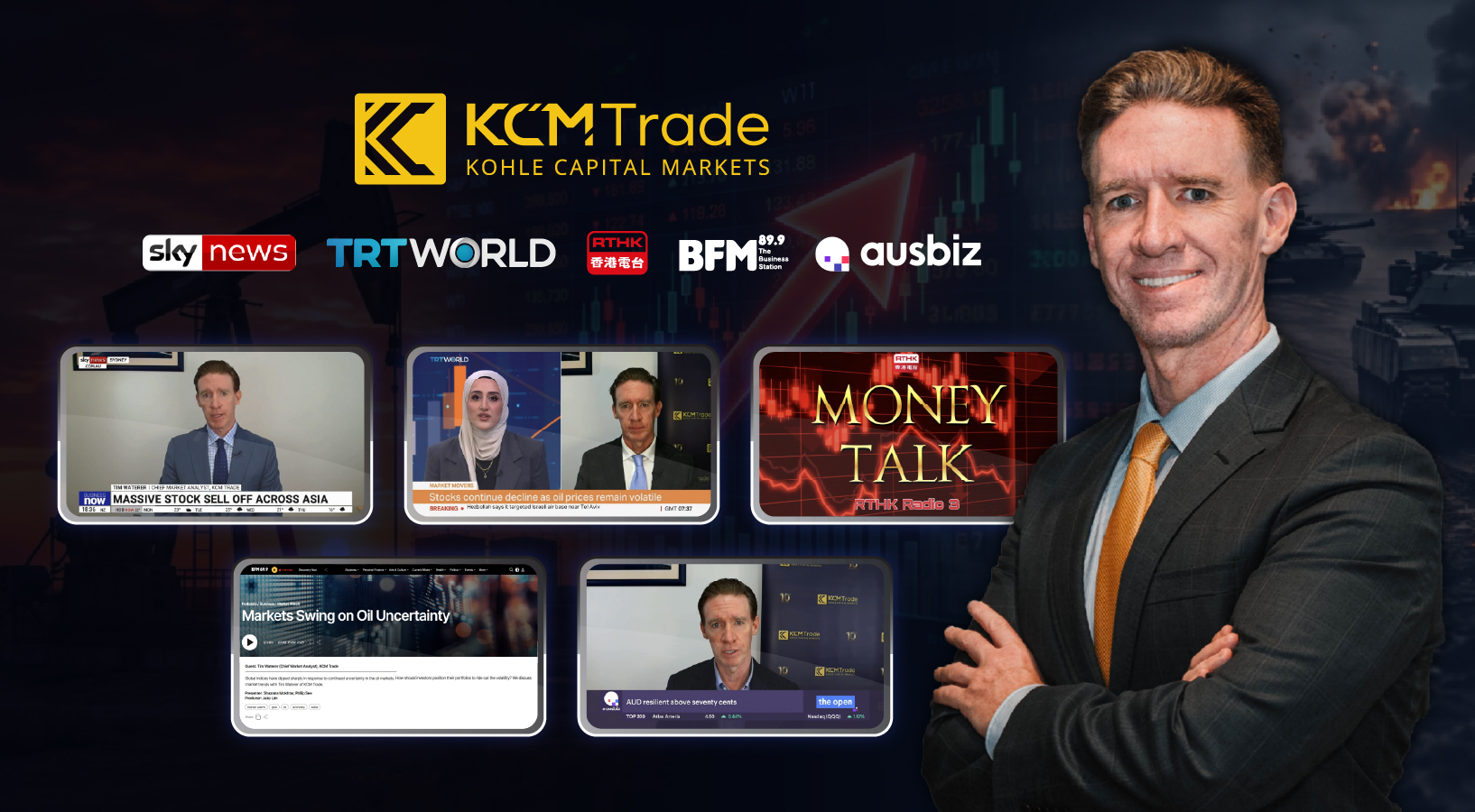
In March, Chief Market Analyst at KCM Trade and Forbes Advisor Australia advisory board member, Tim Waterer, shared his insights across major international media outlets, including RTHK Radio 3, TRT World, BFM 89.9, Ausbiz, and Sky News.

Tim provided expert analysis on escalating geopolitical tensions, oil market volatility, inflation risks, and evolving central bank expectations shaping global markets.

RTHK Radio 3 – 30 March

Tim Waterer discussed the latest developments in the Middle East conflict and their implications for global markets:

  • Oil markets remain highly sensitive to geopolitical developments, with disruption risks in both the Red Sea and Strait of Hormuz creating a potential “dual choke point” scenario for global energy supply.  
  • Sustained supply disruptions could drive oil prices significantly higher, reinforcing inflationary pressures across transport and manufacturing sectors.  
  • The current environment raises stagflation risks, where elevated energy costs coincide with slowing global growth and reduced consumer demand.  

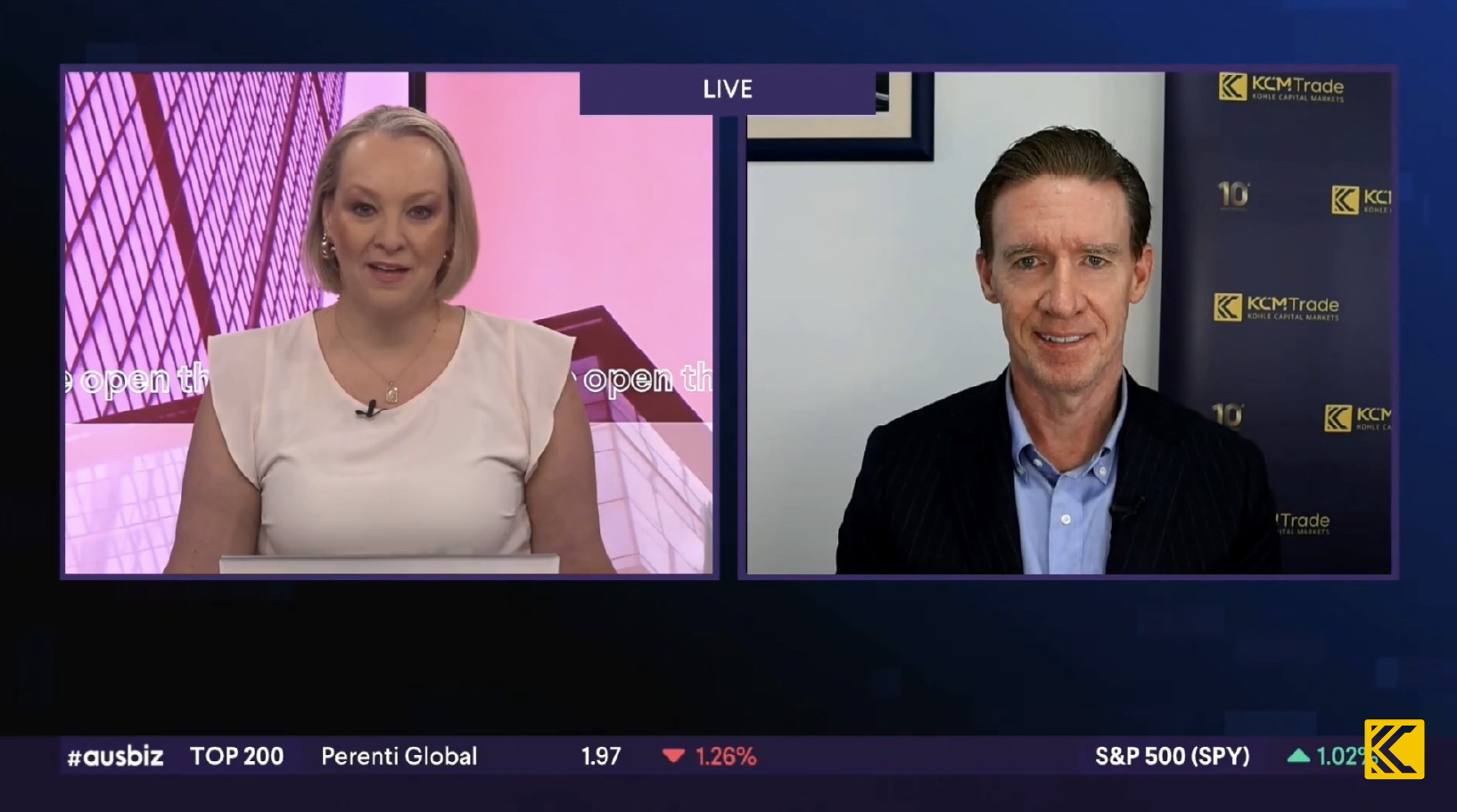
Ausbiz – 17 March

Tim Waterer provided insights into Australian monetary policy, currency movements, and commodity markets:

  • The Reserve Bank of Australia may be forced into a more hawkish stance, as rising oil prices risk reaccelerating inflation despite earlier signs of moderation.  
  • The Australian dollar is benefiting from narrowing yield differentials with the U.S., helping it remain relatively resilient among G10 currencies.  
  • Iron ore and commodity exports continue to underpin Australia’s economic outlook, though further upside depends on the scale of Chinese stimulus measures.  

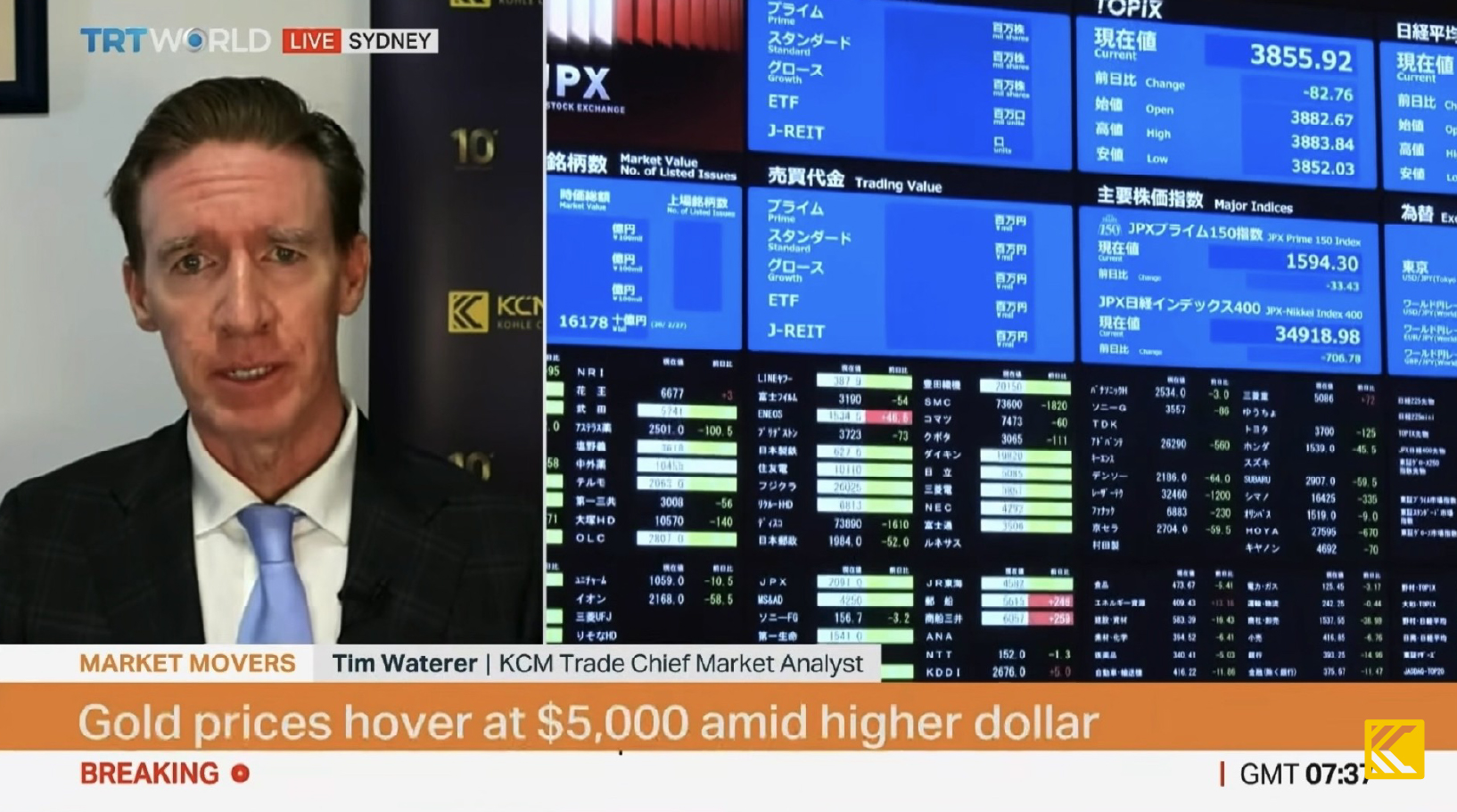
TRT World – 16 March

Tim Waterer analysed performance across Asian equity markets amid rising geopolitical uncertainty:

  • Diverging regional dynamics led to mixed performance across Asian equities, with China and Hong Kong supported by stimulus expectations while Japan lagged.  
  • Japan’s heavy reliance on imported energy leaves its economy particularly vulnerable to rising oil prices and supply disruptions.  
  • Gold prices remain supported by geopolitical risks but face near-term pressure from a stronger U.S. dollar and elevated Treasury yields.  

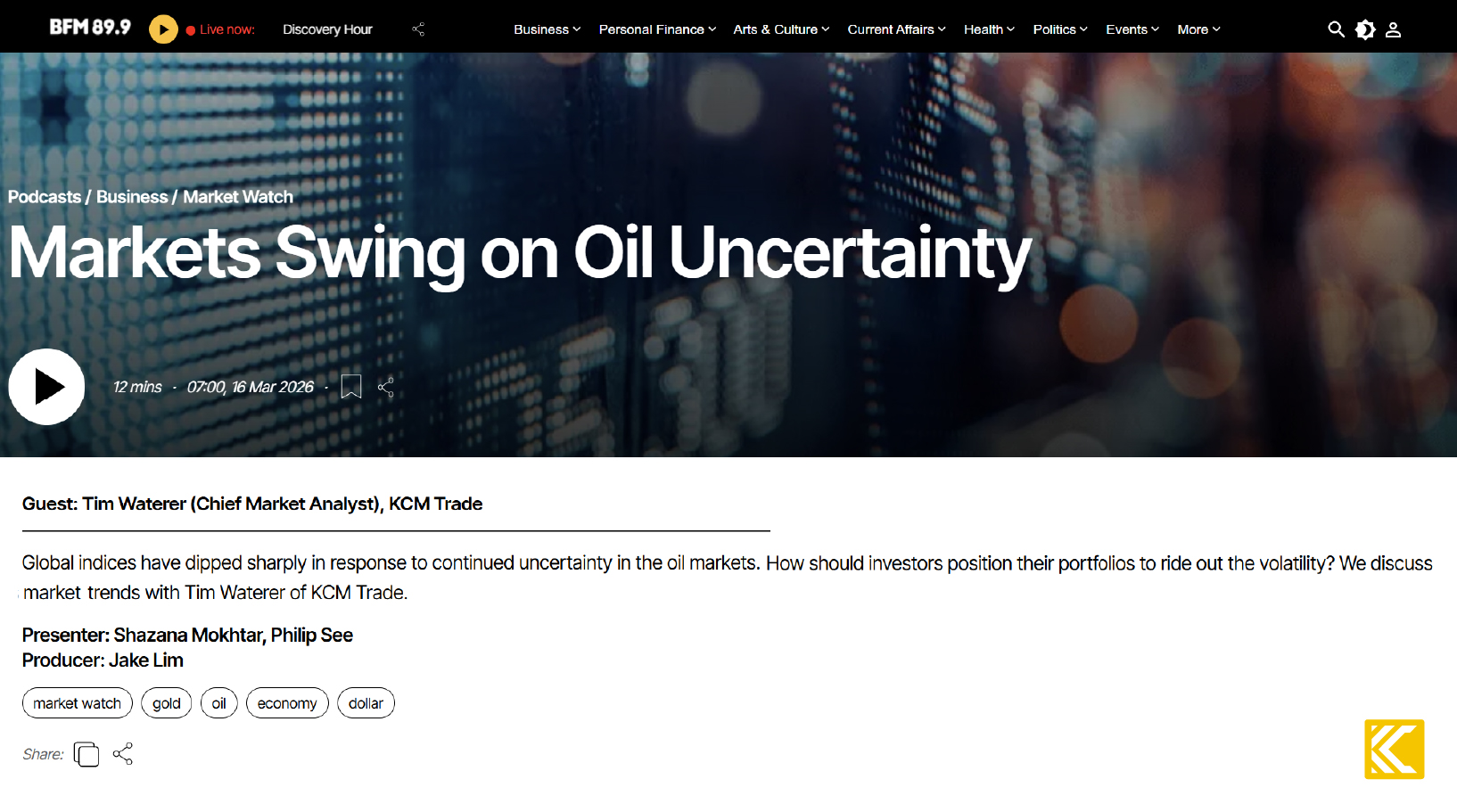
BFM 89.9 – 16 March

Tim Waterer discussed global market outlook and investment positioning during heightened volatility:

  • Oil prices could climb toward the $120–$150 range in a severe supply disruption scenario, significantly impacting the global inflation outlook.  
  • Elevated energy prices are dampening expectations for U.S. Federal Reserve rate cuts, with markets increasingly pricing a prolonged higher-rate environment.  
  • Defensive sectors such as healthcare, utilities, and consumer staples are outperforming as investors rotate away from higher-risk assets.  

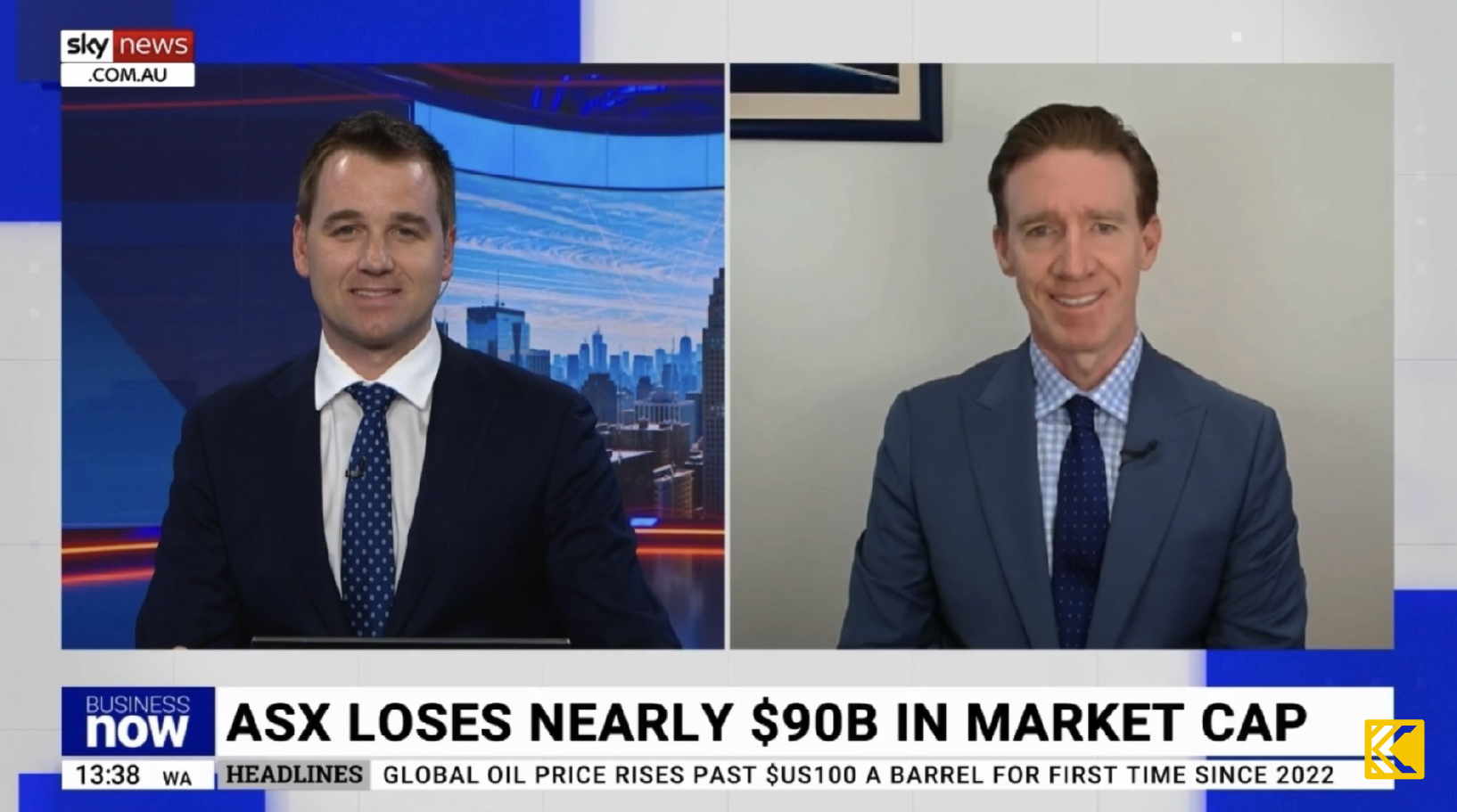
Sky News – 9 March

Tim Waterer commented on sharp market declines and rising volatility:

  • Escalating Middle East tensions triggered a broad equity sell-off, driven by a combination of oil price shocks and heightened macro uncertainty.  
  • Australia’s relatively limited buffer against inflation increases its vulnerability to sustained rises in global energy prices.  
  • Investor positioning has turned more caution, with increased cash holdings and reduced exposure to risk-sensitive assets.  

RTHK Radio 3 – 2 March

Tim Waterer outlined initial market reactions to the early escalation of the conflict:

  • Initial market reaction saw a classic risk-off move, with equities declining and safe-haven demand strengthening.  
  • Despite the volatility, markets were not yet pricing in worst-case scenarios, reflecting uncertainty around the scale of escalation.  
  • Key upcoming data points, including U.S. jobs figures and inflation prints, remain critical in shaping expectations for Federal Reserve policy.

回到
公司新聞